Placing a dental implant is a surgical procedure, and the treated area needs time to recover. The question of how long pain lasts after a dental implant comes up naturally once you leave the clinic, especially when the anaesthesia starts to wear off.
In a case without associated procedures, the pain is usually more pronounced in the first few days and then gradually subsides. What matters most is the direction of the symptoms: discomfort that decreases indicates healing, while pain that increases or returns should be checked by the doctor.
How long discomfort usually lasts after an implant is placed
Source: jacksonvilledentalspecialists
After a simple dental implant is placed, significant discomfort is usually concentrated within an approximate window of 3 to 7 days, according to the post-operative guidance given at the clinic. The pain usually reaches its greatest intensity in the first 24 to 48 hours, after the local anaesthesia wears off.
Spontaneous pain, tenderness to the touch and a feeling of pressure are not the same thing. Pain occurs without you touching the area, tenderness is felt when brushing or chewing, and pressure is often linked to swelling and the tension of the stitches.
The disappearance of pain does not mean that healing is complete. The gum continues to recover, and osseointegration, that is, the fixing of the implant in the bone, takes place later without causing pain in itself. For the timeline of the entire treatment, you can read the article about how long a dental implant takes.
Why pain occurs after an implant procedure
Source: concordoralsurgery
Post-operative pain occurs because placing an implant involves a controlled procedure on the bone. The body responds with local inflammation, a normal process that supports tissue healing.
The incision in the gum and the stitches can create a feeling of tension, especially when you speak or open your mouth wider. Swelling temporarily presses on the surrounding tissues and can make the cheek feel tender.
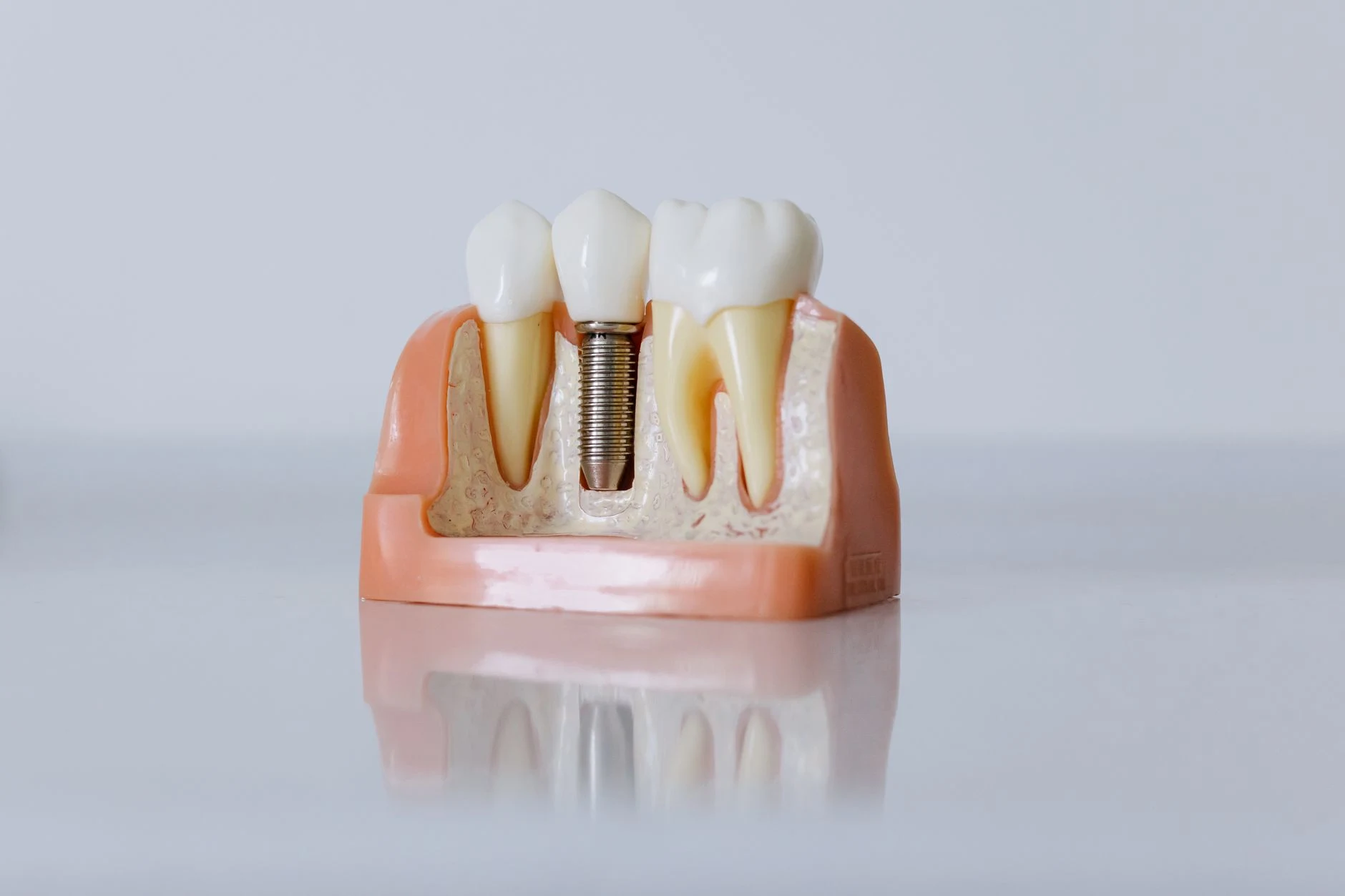
Osseointegration is the process by which the bone adapts to the implant surface. It takes place without obvious symptoms, so pain that appears long after the procedure needs another medical explanation.
How pain develops day by day after an implant
Source: sanfranciscodentalwellness
Pain after an implant usually follows a decreasing course. On days 1 and 2 the discomfort is at its peak after the anaesthesia wears off, on days 3 to 5 the pain should ease, and on days 6 to 14 usually only gum tenderness remains, according to the post-operative course explained at the clinic.
Good healing can be recognised by a reduced need for medication, subsiding swelling and the absence of fever, discharge or a persistent unpleasant taste. The stitches are removed at the check-up set by the doctor.
The time frames are approximate and can vary depending on the procedure and how your body responds. To understand the procedure as a whole, you can also read the explanations about the stages of a dental implant.
The first 24 to 48 hours after the procedure
In the first 24 to 48 hours after an implant, the discomfort can become more noticeable as the anaesthesia wears off. Follow the medication regimen prescribed by your doctor and do not change the treatment on your own initiative.
Slightly tinged saliva and swelling that increases at first can be part of the recovery. Apply a cold compress to your cheek as instructed and sleep with your head slightly raised to reduce local pressure.
Physical exertion can cause bleeding to start again and make the throbbing in the operated area worse. If you have a demanding job, schedule the procedure before a few days when you can afford relative rest.
Days 3 to 5 and the gradual easing of pain
On days 3 to 5 after an implant, the pain should give way to moderate discomfort, in line with the usual course after the procedure. The swelling may still be visible, but it should begin to go down gradually.
Bruising on the cheek or under the chin can appear after more extensive procedures. Its colour changes as the body reabsorbs it, and this development alone does not indicate a complication.
You can carefully resume your usual activities if you feel well, but intense exercise and lifting weights should still be avoided until the doctor confirms that your recovery is progressing correctly.
Days 6 to 14 and gum healing
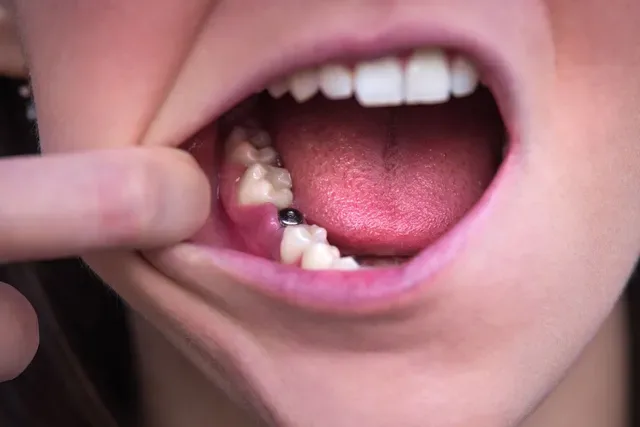
On days 6 to 14 after an implant, spontaneous pain should disappear, and the gum enters the healing stage. Slight tenderness may remain when you touch the area or chew on the side of the procedure.
A gum that is healing normally has closed edges and shows no discharge, persistent bleeding or very painful spots. The post-operative check-up allows the wound to be examined and the stitches to be removed, if necessary.
After the gum has healed, osseointegration follows. At this stage, careful hygiene and scheduled check-ups contribute to the stability of the implant.
Factors that prolong pain after a dental implant
Source: dentistfortcollins
The length of recovery varies greatly from one patient to another, because procedures are not equally complex. You recover differently after a single implant than after an extensive rehabilitation, and associated procedures can extend the period of tenderness.
- Associated procedures: a bone graft, a sinus lift or an extraction in the same session can increase post-operative discomfort.
- Smoking: affects the blood supply to the gum and can slow down healing.
- Uncontrolled diabetes: can make tissue repair more difficult.
- Oral hygiene: insufficient cleaning encourages inflammation around the stitches.
- Bone density: the treated area and the consistency of the bone influence the procedure.
- Following the post-operative instructions contributes to a more comfortable recovery.
You cannot control every anatomical feature, and they are not the patient’s fault. Situations that need attention are assessed before the procedure and are also explained in the article about when a dental implant cannot be placed.
What you can do at home to keep pain under control
Source: freepik
Recovery at home begins with following the instructions you received at the clinic exactly. Take the anti-inflammatory medication according to the regimen set by your doctor and do not take antibiotics without medical advice.
- Apply a cold compress: hold the cold compress against your cheek for the period indicated after the procedure.
- Protect the area: sleep with your head raised and avoid strenuous physical exertion.
- Choose soft foods: eat dishes at room temperature and chew on the opposite side.
- Drink carefully: drink liquids from a glass, without a straw, to protect the blood clot.
- Clean gently: brush carefully and avoid vigorous rinsing of the operated area.
Smoking, alcohol and hot drinks can irritate the area and prolong recovery. For the first few days, choose foods such as yoghurt, mash, cooled soup, soft eggs or well-cooked pasta.
The signs that show the pain is no longer normal
Source: acibademinternational
Normal post-operative pain decreases gradually. Call the clinic the same day if the pain intensifies after it had started to settle or if you notice new symptoms that indicate a possible complication.
- Pain that intensifies instead of easing.
- Purulent discharge, a persistent unpleasant taste or an unpleasant smell from the implant area.
- Fever, swelling that spreads towards the neck or difficulty swallowing.
- Persistent numbness of the lip, chin or tongue after the anaesthesia has worn off.
- An implant that moves or bleeding that will not stop.
These signs do not automatically confirm a serious complication, but they must be assessed without delay. The risks are detailed in the article about the real risks of a dental implant.
Complications that explain persistent pain
Persistent pain usually has a cause that can be identified through an examination. A local infection can show itself through red, swollen gums, discharge, an unpleasant taste and pain that gets worse.
Peri-implantitis is inflammation of the tissues around an implant that has already integrated. If pain or bleeding appears long after the procedure, the doctor will assess this possibility, along with your oral hygiene, smoking and the condition of your gums.
Implant mobility can indicate an osseointegration problem and requires a prompt visit to the clinic. After the crown is fitted, pain can also appear when the contact between the teeth is unbalanced and the chewing pressure is concentrated on the implant.
Do not try to control intense, prolonged pain yourself with antibiotics or painkillers taken at random. A painkiller can mask a warning sign and delay the diagnosis, and an antibiotic taken without medical advice does not resolve a mechanical cause or a bite problem.
In the back area of the upper jaw, the doctor may also check for possible sinus irritation. In the lower jaw, persistent numbness requires assessment to rule out damage to a nerve structure.
How correct planning reduces the risk of prolonged pain
Planning on a 3D scan allows the bone, nerves and sinuses to be analysed before the procedure. Based on this assessment, the position of the implant can be set so that sensitive structures are avoided.
Infections and periodontal disease must be treated before implant placement, so that the tissues have better conditions for healing. A sterile protocol and suitable instruments allow a controlled procedure on the bone and gum.
The implant system is chosen according to the particular features of your case and the treatment plan. For more information about the available options, you can read the guide to the top 10 dental implants.
After the procedure, you receive instructions adapted to your situation, a clear way to get in touch and scheduled check-ups. At these check-ups, your recovery can be followed closely, and any unusual symptom can be assessed quickly.
What a patient should remember before and after a dental implant
After an implant without associated procedures, discomfort should decrease progressively over the course of the initial recovery. Procedures that include extractions, a bone graft or a sinus lift can prolong tenderness, without automatically indicating a problem.
Call the clinic if the pain increases, and monitor your recovery at home if the pain is decreasing. Also contact the doctor if discharge, fever, persistent numbness or mobility appears.
Go to the scheduled check-ups even if the pain has passed, because the integration of the implant is checked medically. For your individual situation, you can request an assessment and read the information about the dental implant.