Treatment and prevention
According to statistics, periodontal disease (periodontitis) is one of the main causes of tooth loss in the general population. However, the sooner it is detected, the easier it is to treat!
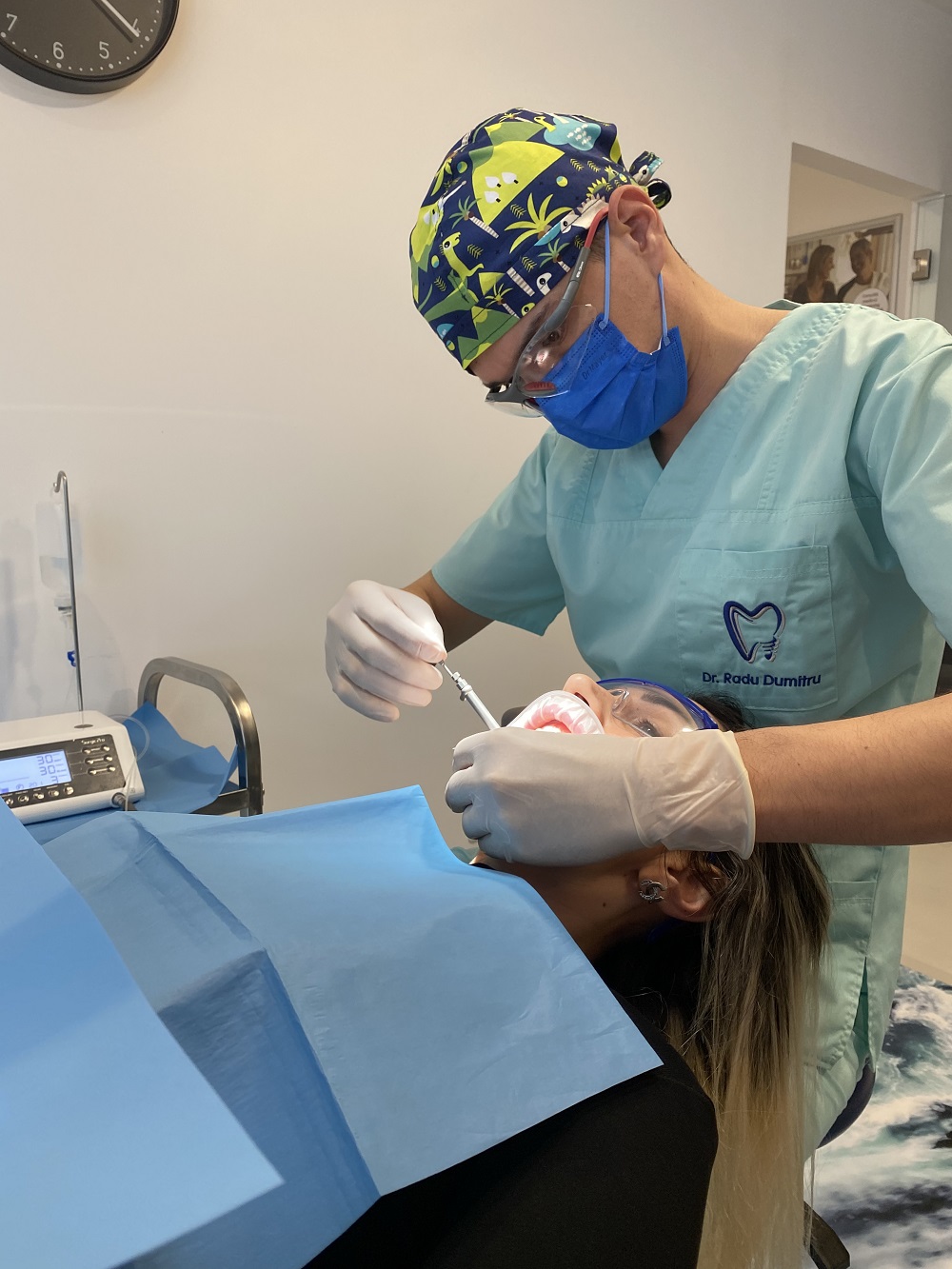
Are you looking for periodontitis treatment in Pitești, carried out by experienced dentists using high-performance equipment, at affordable prices and in the safest hygiene conditions? The Dr. Radu Dumitru Clinic is the ideal place for you.
Periodontology is a branch of dentistry that studies the supporting tissues of the teeth and their disorders. The structures surrounding the tooth hold it in position and are called the periodontium (which includes the gum, the alveolar bone, the dental cementum and the periodontal ligaments).
If you notice that your gums are changing colour or bleeding, you are advised to see a periodontist urgently for a diagnosis and a personalised treatment plan to prevent the problem from getting worse.
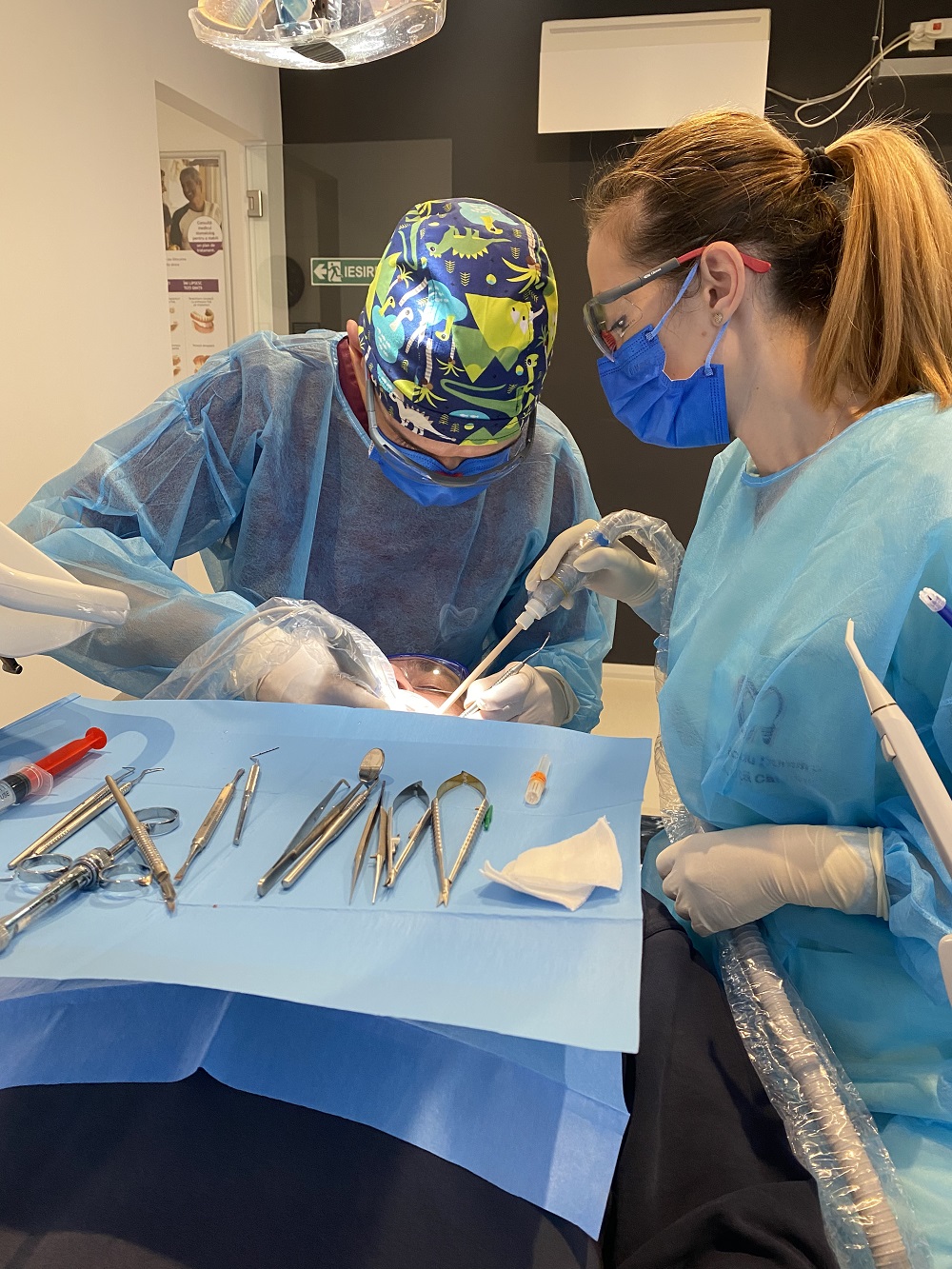
After we eat or drink, a thin, sticky layer forms on the surface of our teeth. If it is not removed, it acts as an adhesive for various bacteria. This is how dental plaque forms, which is the determining factor in periodontal disease.
Depending on how severely the periodontium is affected, the following occurs:
Book an appointment now at the Dr. Radu Dumitru Clinic if you have the following signs and symptoms:
First, the doctor will talk with you to identify any contributing factors. Then, to diagnose periodontal disease, the dentist or periodontist carefully examines your whole mouth.
They check whether your gums are inflamed or bleeding and use a small probe to measure the spaces between your gums and teeth. Normally these spaces measure between 1-3 mm; the deeper they are, the more serious the disease. They may also request:
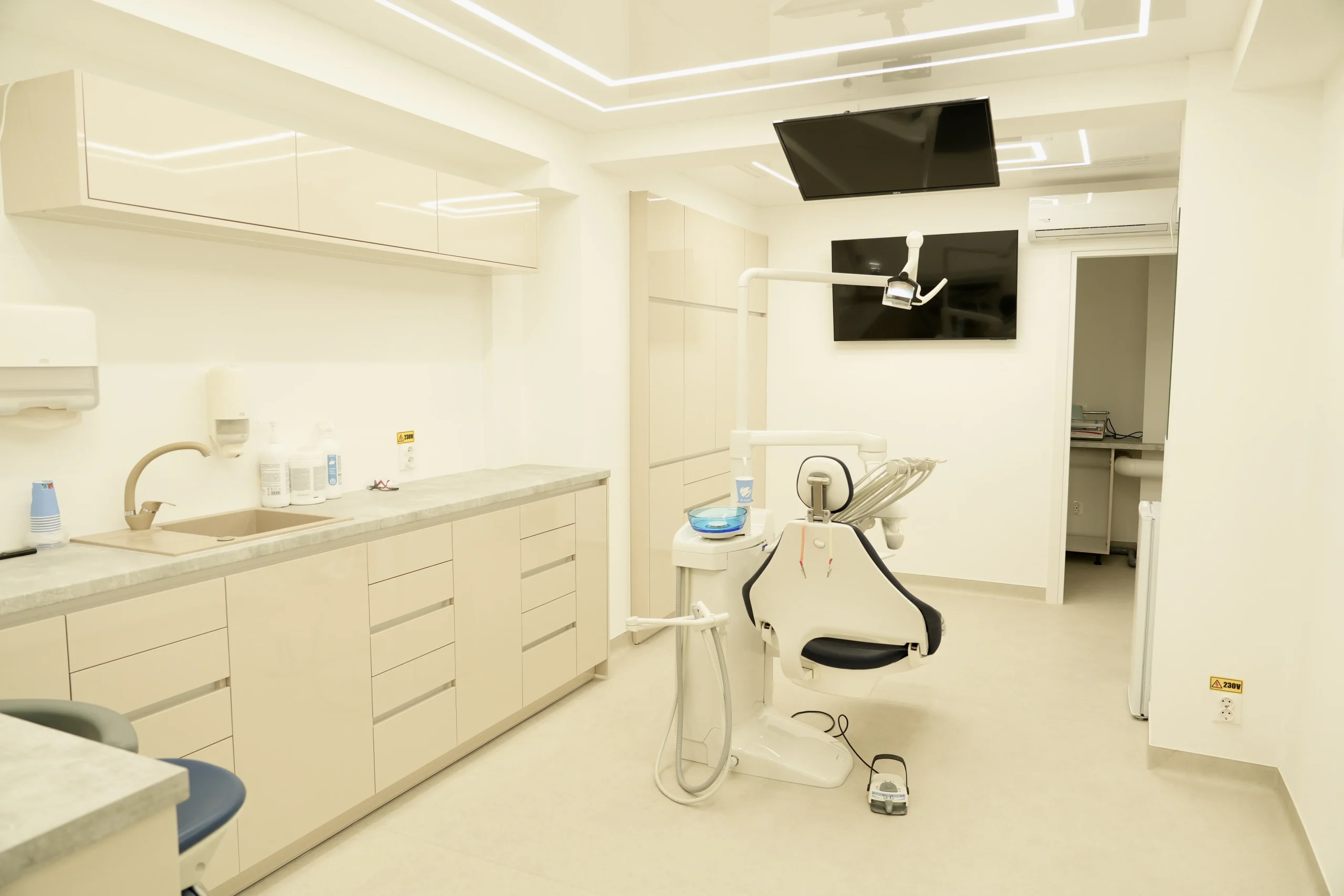
Depending on how severe the disease is, there are several treatments available, some involving surgery and others not. Come to our clinic and get periodontitis treatment tailored to your needs! Come as soon as you notice the first signs of disease!
Non-surgical treatment can be used in mild or moderate cases, when periodontal disease has not yet had time to progress. It includes:
It is similar to the classic professional cleaning technique; the difference is that a local anaesthetic is applied. This way, tartar is removed in depth and the tooth roots are smoothed without pain or discomfort. You will need to come back for a check-up after one month.
The doctor will either place a local antibiotic under the gums to treat the affected area or prescribe oral antibiotics that act systemically on the infection.
Surgical treatment is recommended when periodontal disease is severe. It may involve several techniques:
To be able to see and clean the tooth roots easily, the doctor will need to make an incision along the gum line to temporarily move the gums away from the teeth. Afterwards, they will reposition them so that they fit perfectly on the teeth, reducing the space in which bacteria can grow.
After this surgery, if there is also bone loss, the lower bone ridges will be smoothed. Since the bone around the tooth is reshaped as well, it will be harder for bacteria to build up.
In the case of significant bone loss, fragments of bone (either your own bone, synthetic bone or donated bone) are used to replace the tissue destroyed by periodontitis. The grafts act as a support for new bone growth, thus restoring the teeth.
Periodontitis can cause the gums to recede, exposing the teeth. For treatment, a tissue graft is used to thicken the gums or fill the necessary spaces, covering the roots. The graft can be taken from the roof of the mouth or from an authorised tissue bank.
In the case of bone loss, a small piece of biocompatible material can be placed between the bone and the tooth. This allows the bone connective tissue to grow and support the tooth, preventing gum tissue from growing in the wrong place.
Where periodontitis has led to bone loss, placing platelet-rich plasma can stimulate the growth of new bone tissue. Platelet-rich plasma is obtained by centrifuging blood and removing the red and white cells.
Laser treatment is a new approach that makes traditional therapies easier. Using the laser, the doctor accesses and removes inflamed gum tissue, then cleans away the tartar and plaque built up under the gum. It shortens healing time and reduces possible complications, is less invasive yet more precise, and does not require general anaesthesia.
To keep your teeth healthy, you should follow these guidelines:
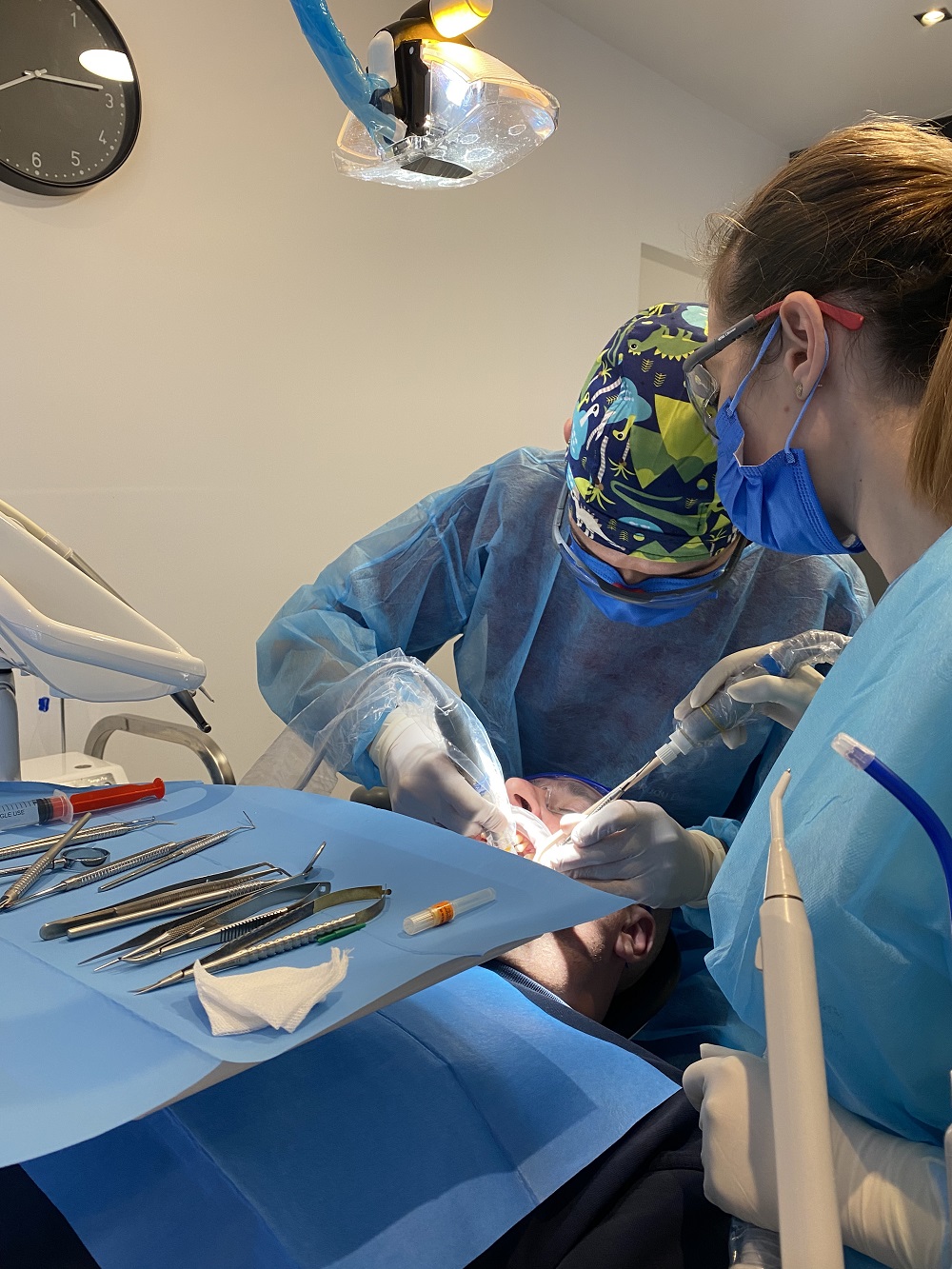
The duration and cost of treatment depend on how severe the periodontal disease is. If you are dealing with gingivitis, treatment can show results within a few weeks, whereas periodontitis will take months. The more advanced the disease, the more resources will be needed, which is why it is best to see a doctor at the very first signs.
We look forward to seeing you for a consultation at our clinic so we can answer your questions about the price and duration of periodontal treatment precisely.
Frequently asked questions
Without treatment, periodontal disease can lead to certain complications such as:
Anyone can be affected by periodontitis, but there may be factors that encourage it to develop, such as:
It cannot be cured, but it can be managed well with care and treatment. Gingivitis, on the other hand, is reversible with proper treatment.
In general, periodontitis appears in older people. It is rare under the age of 30, but anyone with poor oral hygiene or a genetic predisposition can develop this condition.
Unfortunately, if this condition is left untreated, the end result is tooth loss.
Treatment and prevention
Looking for modern restorative dental treatments in Argeș? Restore the health, function and appearance of your teeth
Endodontics in Pitești at Dr. Radu Dumitru. Modern endodontic treatments for all ages and dedicated specialists for a…
The clinic
We assess your situation, explain your options and give you a clear treatment plan, with the stages and costs set out from the start.