You have been recommended a dental implant and the first thing you thought was: how long does the whole process take? It is a natural question, especially when you do not know exactly what to expect between your first visit to the dentist and the moment your teeth look and work normally again. Uncertainty about timing leads many patients to put off treatment they genuinely need.
How long a dental implant takes depends on several factors, and the correct answer is more nuanced than a simple figure.
In most cases, dental implant treatment takes between 3 and 9 months from the initial consultation to the fitting of the final crown. If additional procedures such as bone augmentation or a sinus lift are needed, the duration can exceed 12 months.
How long a dental implant takes from the first consultation to the final tooth
Photo source: unsplash
The total duration of dental implant treatment usually ranges between 3 and 9 months for standard cases. This period covers every stage, from the first consultation and the surgical placement of the implant to the fitting of the final crown. In certain complex cases requiring bone augmentation, a sinus lift or other preparatory procedures, the total duration can exceed 12 months.
Most of this period does not involve active procedures, but waiting for the natural healing of the bone around the implant. The body needs time to integrate the titanium as part of its own structure, and artificially shortening this interval can compromise the final result. The dentist draws up a personalised treatment plan after a thorough assessment, precisely so that the duration is estimated realistically from the outset.
The stages of dental implant treatment and how long each one takes
Photo source: freepik
Dental implant treatment is not just a single surgical procedure. It follows a well-defined protocol, with clear stages and biologically justified waiting periods. Understanding each phase reduces anxiety and helps you plan ahead.
Each stage has its own duration, and the timeline cannot be shortened arbitrarily. The doctor adapts the pace to your body’s individual response, not to a fixed calendar that applies to every patient.
The initial consultation and treatment plan
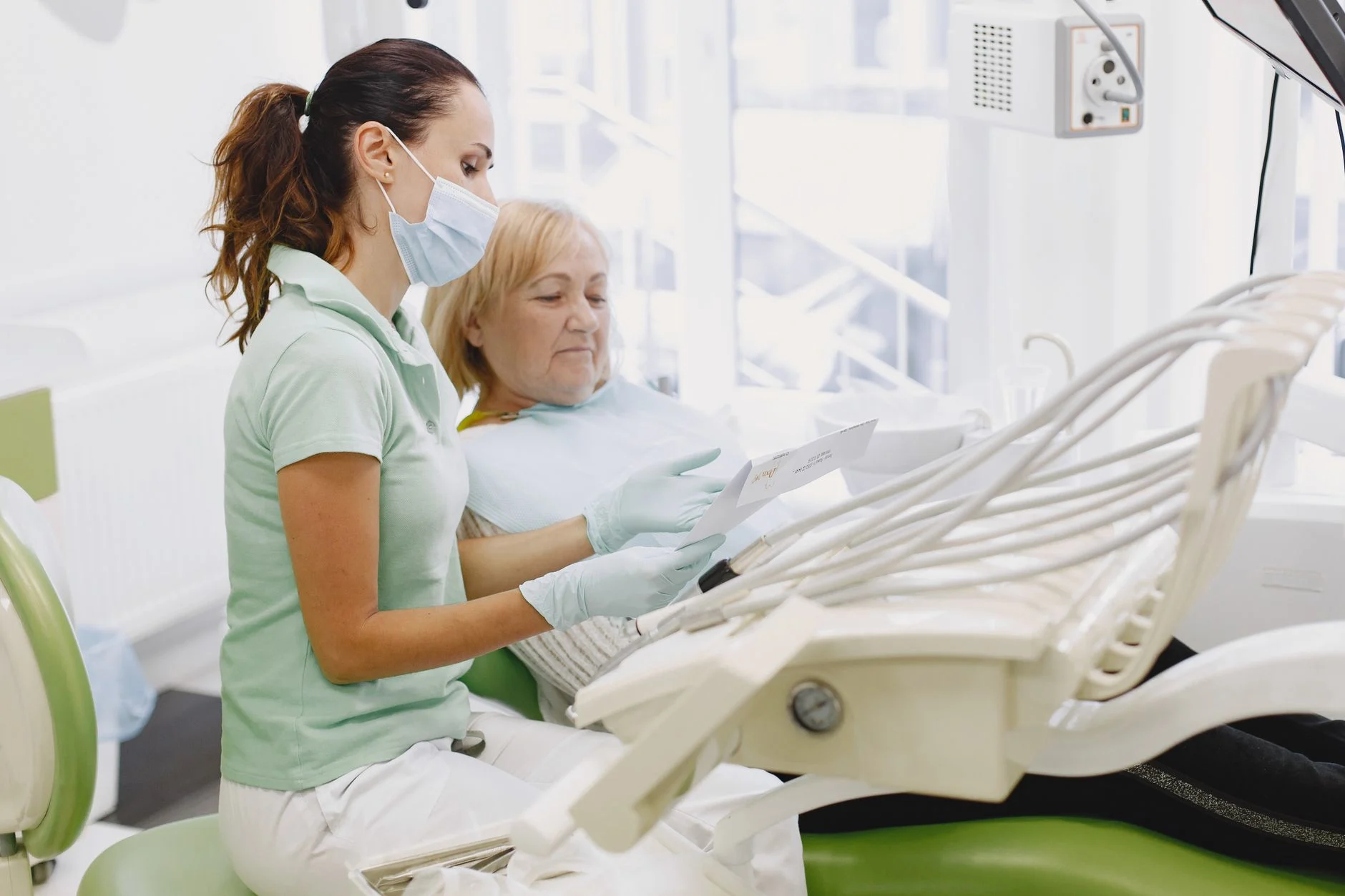
The first visit usually lasts 45-60 minutes and includes a clinical examination, your medical history and a panoramic X-ray or 3D scan. Based on this information, the doctor assesses the density and volume of the bone, the condition of the gum tissue and the position of the neighbouring teeth. The result is a personalised treatment plan with the estimated stages, costs and timescales.
3D scanning, available at the Dr. Radu Dumitru Clinic in Pitești, allows precise surgical planning, reducing the risk of complications and sometimes shortening the procedure itself. Without this complete assessment, a realistic treatment timeline cannot be established.
Placing the implant in the bone. How long the procedure itself takes
The dental implant placement procedure takes, on average, between 30 and 90 minutes per implant, depending on the complexity of the case and the number of implants placed at the same time. It is carried out under local anaesthesia, so you feel no pain during the procedure. The doctor creates a site in the bone, inserts the titanium screw and covers the area with a healing cap.
Immediately after the procedure, you can go home. Post-operative discomfort can be controlled with standard painkillers and disappears within a few days. This is the active stage with the shortest actual duration of the whole implant treatment.
The osseointegration period. What happens in the bone after surgery
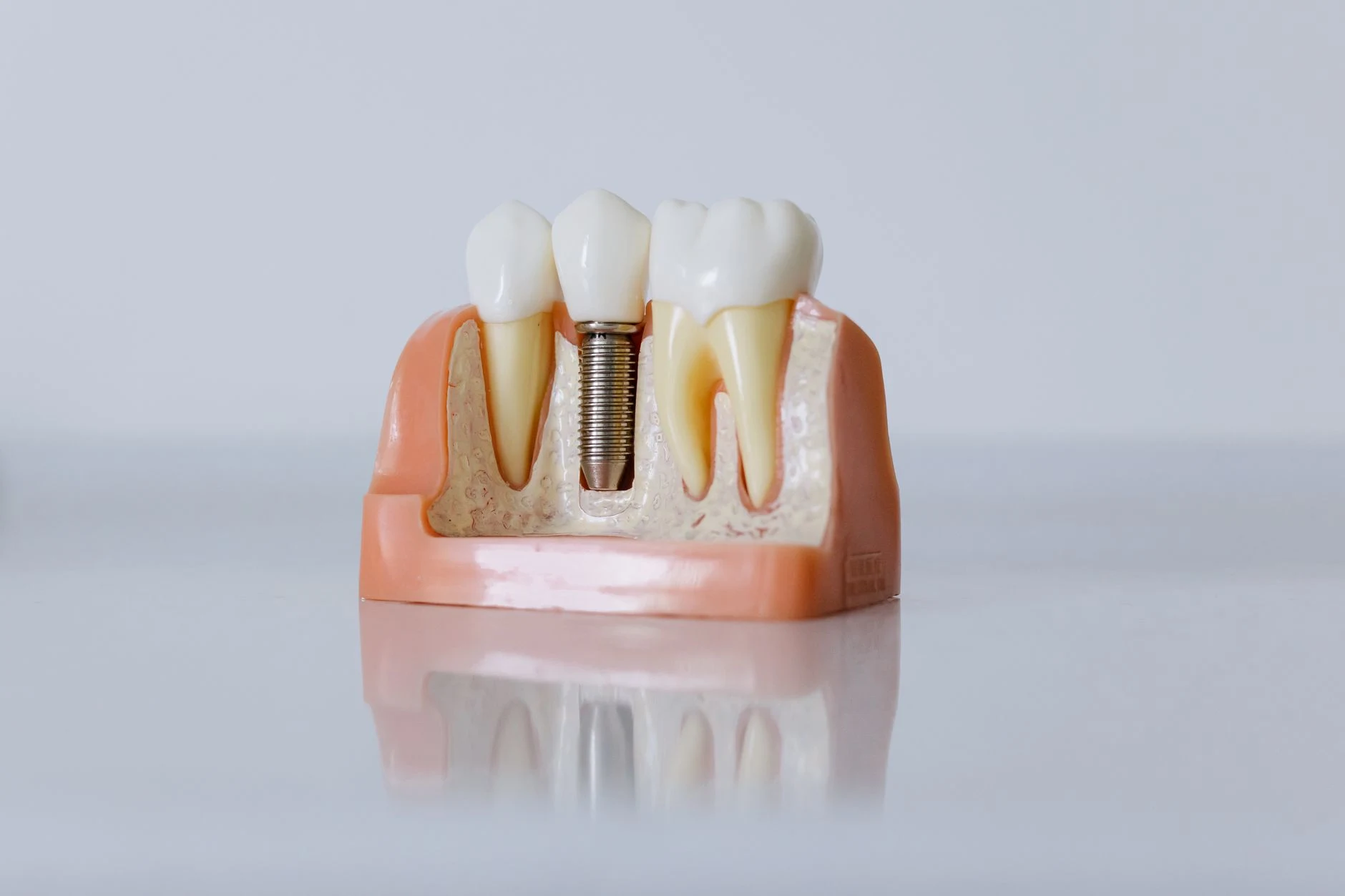
Osseointegration is the process by which the alveolar bone grows around the titanium screw and anchors it in the structure of the jaw. This period usually lasts between 2 and 6 months, with significant individual differences. In the lower jaw, the bone is denser and integration happens faster; in the upper jaw, the process can be slower, especially at the back.
During osseointegration, the implant is not subjected to chewing pressure. You can wear a temporary restoration for appearance and basic function, but it must not exert direct forces on the implant. Respecting this waiting stage is the essential condition for the long-term success of the treatment.
Fitting the abutment and the final crown
Once osseointegration is confirmed, the doctor fits the abutment, that is, the intermediate part that connects the implant to the dental crown. Impressions or a digital scan of the arch allow the laboratory to make the final crown precisely. This stage involves 2-3 appointments over a period of 2-4 weeks.
The final crown is fixed onto the abutment and adjusted to your bite so that it blends harmoniously with the rest of your teeth. From this point on, the implant works like a natural tooth, withstanding chewing forces without restrictions.
Factors that influence the total duration of treatment
Photo source: unsplash
The duration of dental implant treatment is not the same for every patient. There are medical and individual variables that can significantly shorten or lengthen the timeline, and knowing them allows you to have realistic expectations from the first consultation.
The condition of the bone and the need for a bone graft or sinus lift
If the jawbone does not have enough volume or density to support an implant, the doctor may recommend a bone graft or, in the case of the back of the upper jaw, a sinus lift. These procedures prepare the ground for the implant and add between 3 and 6 months to the total duration of treatment, because the grafted bone needs its own healing time before the implant itself is placed.
The Dr. Radu Dumitru Clinic performs both bone grafts and sinus lifts as an integral part of the surgical plan. The bone volume is assessed precisely with a 3D scan, which provides accurate three-dimensional measurements and removes the need for additional procedures at later stages.
The number of implants and the complexity of the case
A single implant in healthy bone is the simplest scenario. When several implants are placed at the same time or whole arches are rebuilt with All-on-4 or All-on-6 solutions, the surgical complexity increases, as does the length of the appointments. Even so, placing several implants at once does not necessarily lengthen the overall treatment timeline, because the osseointegration of all the implants happens in parallel, not one after another.
The patient’s general health and oral hygiene
Conditions such as poorly controlled diabetes mellitus, osteoporosis or autoimmune diseases can slow osseointegration and increase the risk of post-operative complications. Smoking reduces the oxygen supply to the bone and can compromise implant integration, thereby lengthening treatment or increasing the likelihood of failure. The doctor assesses these aspects before drawing up the final plan.
Poor oral hygiene or active infections in the mouth usually call for prior treatment, which adds time before the surgical stage. A patient with good hygiene and a balanced medical status goes through treatment faster and with lower risks.
The type of implant chosen — Neodent, Straumann or All-on-4 and All-on-6 solutions
Implants from premium brands such as Neodent and Straumann, available at the clinic in Pitești, are made from medical-grade titanium with specially treated surfaces to stimulate osseointegration. These surfaces are designed to support osseointegration and the long-term predictability of treatment. The choice of implant system influences both the surgical protocol and the types of prosthetic superstructures available.
All-on-4 and All-on-6 solutions are distinct protocols for patients who have lost all their teeth or have extensive tooth loss. By strategically placing 4 or 6 implants in one arch, the number of procedures is reduced and, in selected cases, a temporary fixed bridge can be fitted on the very day of surgery.
A dental implant in one day: when it is possible and when it is not
Photo source: freepik
The concept of a same-day implant has gained a lot of ground in modern implantology. There are clinically validated protocols that allow a temporary tooth to be fitted immediately after the implant is placed, but not every patient and not every case is suitable for this approach.
What immediate loading of an implant means
Immediate loading means that a crown or temporary fixed bridge is fitted onto the newly placed implant on the same day or within the first 48-72 hours. This is not the final crown, but a functional and aesthetic solution that allows you to leave the practice with a complete smile. The final crown is fitted later, once osseointegration is complete, according to the standard protocol.
Cases suitable for a same-day implant
The ideal candidates for immediate loading are patients with sufficient bone volume and density, without systemic conditions that could compromise healing and without active infections in the implant area. The primary stability of the implant, measured during surgery with a torque device, must reach a minimum threshold defined by the protocol. When these conditions are met, the doctor may opt for immediate loading without compromising the long-term success rate.
All-on-4 and All-on-6 solutions are frequently combined with immediate loading, allowing patients without teeth to leave the operating room with a temporary fixed arch on the same day as the procedure.
Situations in which rushing the procedure is not recommended
Immediate loading is not indicated when the primary stability of the implant is insufficient, when the bone has defects or when the patient has risk factors that affect healing. Chewing force applied prematurely to an unstabilised implant can disrupt osseointegration and lead to treatment failure. Artificially rushing a treatment that needs healing time does not reduce long-term costs; on the contrary, it can lead to complications and additional procedures.
What the lifespan of a dental implant is and how to extend it
Photo source: freepik
The lifespan of a dental implant is one of the main arguments in favour of this treatment over other prosthetic options. Once correctly integrated and properly maintained, a dental implant can function for several decades and, in many cases, for the rest of the patient’s life.
The average lifespan of a quality implant
Clinical studies show that titanium implants from manufacturers with high standards, such as Neodent and Straumann, have 10-year success rates of over 95% and can function optimally for 20-30 years or even for the patient’s whole life, with proper care. The prosthetic crown on top of the implant may need replacing after 15-20 years due to wear of the material, but the metal body of the implant remains integrated in the bone.
The role of oral hygiene in implant longevity
Dental implants do not get cavities, but they can be affected by peri-implantitis, an infection of the tissues around them, similar in mechanism to periodontitis. The main cause is the build-up of bacterial plaque at the neck of the implant. Brushing at least twice a day, regular use of dental floss or interdental brushes and periodic check-ups contribute significantly to reducing the risk of peri-implantitis.
Periodic check-ups and long-term monitoring
Booking dental check-ups every 6 months allows early detection of any signs of inflammation or wear of the prosthetic superstructure. Professional cleaning, carried out with instruments adapted for implants, removes tartar from areas that are hard to reach with ordinary brushing. These routine visits, which you can book at the Dr. Radu Dumitru Clinic in Pitești, are the most effective investment in the lifespan of your implant.
Caring for the implant after surgery and recovery
Photo source: unsplash
The first few days after implant placement are essential for the course of healing. Following the post-operative recommendations reduces complications and keeps the period of discomfort to a minimum.
What it is normal to feel in the first few days
Moderate facial swelling, tenderness in the operated area and slight bleeding in the first 24 hours are normal reactions of the body to the surgical procedure. Post-operative pain can usually be controlled with standard anti-inflammatories and painkillers prescribed by the doctor. These symptoms ease progressively over 3-5 days and should not affect your daily activities any more intensely than in the days immediately after the procedure.
Hygiene and diet recommendations during the healing period
In the first 24 hours, avoid vigorous rinsing and brushing directly on the operated area. From the second day onwards, you can rinse gently with a chlorhexidine-based mouthwash, as recommended by the doctor. Following these hygiene steps reduces the risk of post-operative infection and protects the blood clot formed in the wound.
In the first week, your diet should be based on soft foods, with nothing hard, crunchy or hot. Smoking must be avoided completely for at least two weeks after surgery, as it significantly reduces the blood supply to the bone and increases the risk of infection. Alcohol can interfere with the prescribed medication and should also be avoided in the first days of recovery.
Signs that mean you should go back to the doctor
Most recoveries after an implant go smoothly, but there are clear signs that call for a prompt consultation:
- Persistent fever above 38°C after the first 24 hours
- Pain that increases after the third day instead of easing
- Heavy bleeding that does not stop with gauze compression
- Visible movement of the implant a few days after placement
- Pus or a persistent unpleasant smell in the operated area
These signs may indicate an infection or an osseointegration problem that requires rapid assessment and intervention. A prompt consultation prevents more serious and much more costly complications in the long term.
Frequently asked questions about how long a dental implant takes
Photo source: unsplash
Patients considering a dental implant often have practical questions about the timeline, exceptional situations and the role of technology in making treatment more efficient. Here are concrete answers to the most common ones.
How long after placement can the crown be fitted on the implant
The final crown is normally fitted 3-6 months after the implant is placed, once osseointegration has been confirmed clinically and radiologically. In the lower jaw, where the bone is denser, the period may be 2-3 months; in the upper jaw, 4-6 months are sometimes needed. If a temporary restoration has been chosen, it stays in place throughout the integration period, providing both function and appearance.
Can multiple implants be placed in the same session
Yes, placing several implants in the same session is common practice when the case allows it. The main advantage is that the osseointegration of all the implants happens at the same time, without lengthening the total duration of treatment compared with placing them one by one. The decision lies with the doctor, who assesses your tolerance of anaesthesia, the estimated length of the procedure and your overall healing capacity.
What happens if the implant does not integrate into the bone
The failure rate of titanium implants from trusted manufacturers is below 2-5%, but the possibility exists. If osseointegration does not occur properly, the implant becomes mobile and has to be removed. The area is left to heal for a few months, after which, if bone conditions allow, a new implant can be placed. Some situations first require a bone graft. The doctor analyses the causes of the failure and adjusts the protocol before resuming treatment.
How 3D scanning influences the precision and duration of treatment
3D scanning, available at the Dr. Radu Dumitru Clinic, gives the doctor a complete three-dimensional image of the bone structure, the maxillary sinuses and the nerve canals. Based on this image, the surgical procedure can be planned digitally before the operation, with precise guides for positioning the implant. The result is more precise planning of the procedure and better predictability of the treatment.
If you want to know exactly how long a dental implant will take in your case, the first step is a complete consultation, including a 3D scan, at the Dr. Radu Dumitru Clinic in Pitești, Strada Florariei nr. 3A. A personalised treatment plan gives you a clear timeline from the first visit, without generic estimates and without later surprises.
You can book a visit with Dr. Radu Dumitru by calling 0771 648 386 or writing to contact@drradudumitru.ro, Monday to Friday, between 09:00 and 19:00. With the diagnostic technology available and standardised surgical protocols, treatment can be planned precisely, tailored to your bone condition and your specific needs.
Disclaimer: The information in this article is for informational purposes only and does not replace a specialist medical consultation. Every patient has a different medical history, and the risks associated with a dental implant can vary depending on general health, existing conditions and anatomical particularities. A specialist consultation is needed for a proper assessment of your situation.