No, in the vast majority of cases you cannot die from a dental implant. Life-threatening complications are extremely rare and usually occur in the context of severe medical conditions, untreated infections or major protocol errors.
Have you heard at least one story about serious complications after a dental implant and wondered whether the procedure is really as safe as dentists make it out to be? The fear is understandable. Any surgical procedure carries a certain degree of risk, and the question of whether you can die from a dental implant often comes up among patients who research carefully before making a decision.
The medical reality is more nuanced than what you find in forum comments. The risks exist, they are well known and quantifiable and, in the vast majority of cases, easy to prevent with the correct protocol.
Can you die from a dental implant? What medicine says about the real risks
Photo source: freepik
The dental implant is one of the most studied procedures in modern dentistry, with data accumulated over more than five decades of clinical practice. Medicine answers this question clearly: fatal cases directly attributable to a dental implant are extremely rare and almost always associated with serious pre-existing medical conditions or significant protocol errors.
Why this question arises and how often it is justified
The question arises mainly because a dental implant is a surgical procedure, meaning it involves anaesthesia, an incision, controlled bleeding and a healing period. Patients who have been through other operations naturally bring the same worries into the dental surgery. What is more, occasional online press reports about post-implant complications amplify a fear that, statistically speaking, has a fairly narrow basis.
The question is partly justified by the fact that any surgical act can cause systemic complications in patients with cardiovascular conditions, severe immunosuppression or unknown allergies to anaesthetics. The problem is not the implant itself, but an incomplete medical assessment before the procedure. A healthy patient, correctly assessed and operated on under sterile conditions, does not face a risk to their life.
The safety of dental implants worldwide
Dental implantology is regarded worldwide in medicine as a procedure with a high safety profile when the correct protocols for patient selection and clinical execution are applied. The long-term success rate is high, and serious life-threatening complications remain exceptional in modern practice.
The most common complications are local and manageable: mild post-operative infections, temporary discomfort and swelling in the treated area. Serious systemic events, such as a widespread infection or severe allergic reactions, are rare and usually occur where the prior assessment was incomplete or clinical protocols were not followed.
The difference between a real risk and an unjustified fear
A real risk is one identified in the medical literature, with a documented incidence and an explained biological mechanism. An unjustified fear is usually a generalisation based on an exceptional case or an incomplete understanding of the procedure. If you are healthy, have no absolute contraindications and choose a clinic with modern equipment and proven experience, the fear of serious complications from a dental implant falls into the second category. The pre-operative assessment consultation is precisely the tool that turns a vague fear into a concrete and safe plan.
Immediate risks and complications after dental implant placement
Photo source: unsplash
The immediate post-operative period, that is, the first 7-14 days after implant placement, is when acute complications occur. Most are minor and resolve with conservative treatment, but a few require prompt medical attention. Knowing about them helps you react correctly if unexpected symptoms appear.
Post-operative infection: causes, symptoms and treatment
Local infection is the most common immediate complication and occurs when bacteria from the mouth colonise the placement site before primary healing is complete. The main causes are poor oral hygiene in the days after the procedure, not following the recommendations on diet or brushing and, more rarely, contamination of medical instruments.
The signs of an active infection are pain that increases in intensity after the third day (instead of decreasing), swelling that spreads beyond the operated area, persistent redness and the appearance of pus. Standard treatment consists of targeted antibiotic therapy, local irrigation with antiseptic solutions and, in more severe cases, surgical drainage of the collection.
Excessive bleeding and how it is managed
Moderate bleeding in the first 24 hours is normal and is controlled by biting on sterile gauze for 30-60 minutes. Bleeding becomes a concern when it continues heavily for more than two hours or suddenly recurs a few days after the procedure. Factors that increase the risk of excessive bleeding include anticoagulant or antiplatelet treatment (high-dose aspirin, warfarin), uncontrolled high blood pressure and work in areas with a rich blood supply.
Proper management means telling the doctor about any medication you currently take, especially before the procedure, so that protocols can be adjusted accordingly. If bleeding persists at home, you should contact the clinic immediately, not wait until your check-up appointment.
Damage to nerves or neighbouring tissues
In the lower jaw, the inferior alveolar nerve runs through a bony canal that the implant must not touch. Surgical planning without a precise three-dimensional analysis increases the risk of injuring this nerve, with consequences that may be temporary (numbness or tingling for a few weeks) or, in severe cases, permanent. In the upper jaw, the main risk is perforation of the maxillary sinus, discussed separately below.
A pre-operative 3D scan, standard practice in well-equipped modern clinics, allows the nerve canal and adjacent structures to be visualised precisely, significantly reducing the risk of an incident. Digital planning of the implant’s trajectory is one of the concrete advantages of CBCT technology over a conventional panoramic X-ray.
Problems with the maxillary sinuses
The maxillary sinus is an air-filled cavity located just above the roots of the upper back teeth. When the bone volume available in this area is insufficient, placing an implant without a prior sinus lift can perforate the sinus membrane, with a risk of sinusitis or ascending infection. Symptoms suggesting a sinus complication include pain under the eye, pressure in the face, nasal congestion and one-sided nasal discharge appearing after the procedure.
Failure of osseointegration in the first few months
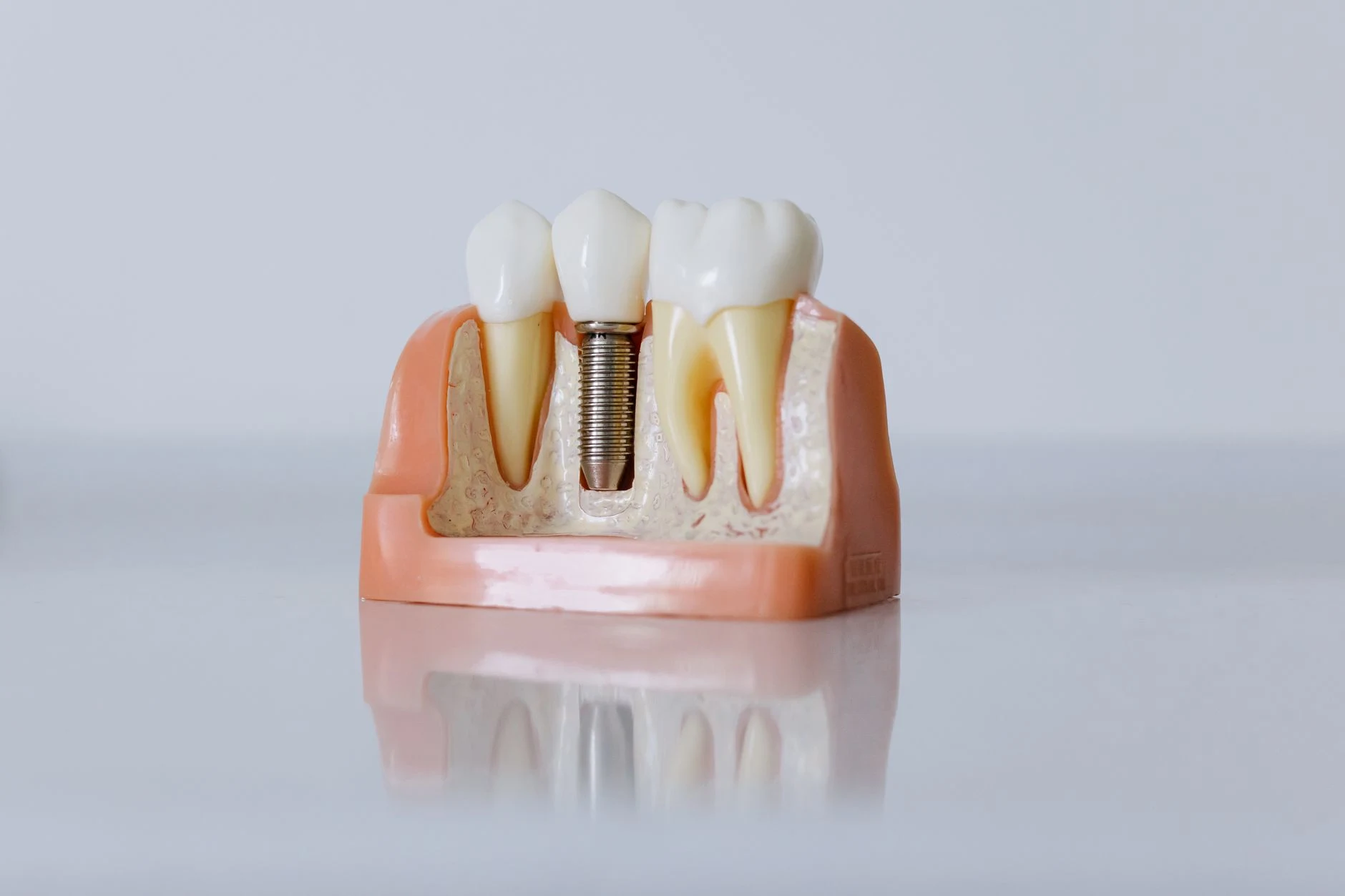
Osseointegration is the process by which the titanium implant anchors itself in the upper or lower jawbone. It takes between three and six months and can fail if the implant is subjected to premature chewing forces, if the local blood supply is poor or if the patient is a heavy smoker. The main sign of early failure is mobility of the implant on clinical testing.
When osseointegration does not succeed, the implant is removed, the area is left to heal and the procedure can be repeated later, usually after three months. The success rate of a second implant in the same site is comparable to that of the first placement, especially when the initial cause is identified and eliminated.
Long-term complications of dental implants
Photo source: unsplash
Complications that appear more than a year after implant placement generally develop slowly and can be prevented with regular check-ups and rigorous oral hygiene. Detecting them early makes the difference between a minor corrective procedure and the permanent loss of the implant.
Peri-implantitis — the most common cause of late failure
Peri-implantitis is an infectious inflammation of the soft tissue and bone around the implant, similar to periodontitis around natural teeth. It shows up as bleeding when brushing, gum swelling, tissue recession and, at advanced stages, bone loss visible on X-ray. The main risk factor is poor oral hygiene, which allows bacteria to build up in the peri-implant groove.
Treatment depends on the stage. In the early phases, professional debridement and antiseptic irrigation are sufficient. At advanced stages, with extensive bone loss, bone regeneration surgery may be required. If completely ignored, peri-implantitis inevitably leads to loss of the implant.
Gum recession and exposure of the implant
Gum recession occurs when the gum around the implant pulls back, leaving part of the neck or even the body of the implant visible. The main causes are biologically thin gums (thin gingival biotype), incorrect placement relative to the bone axis, chronic inflammation or overly aggressive brushing. Besides the compromised appearance, exposure of the implant makes bacterial colonisation easier and increases the risk of peri-implantitis.
Bone loss around the implant
Marginal bone loss of 1-1.5 mm in the first year after placement is considered physiological and does not affect long-term stability. Bone loss that exceeds these values or continues in the following years indicates either occlusal overload (for example, untreated bruxism), active peri-implantitis or a local blood supply problem.
Periodic radiological checks, recommended annually once the prosthetic work is complete, allow early detection of pathological bone loss and intervention before it becomes irreversible.
Fracture of the implant or the prosthetic restoration
Fracture of the metal body of the implant is rare, but possible with small-diameter implants subjected to strong chewing forces or in cases of severe uncontrolled bruxism. Fracture of the prosthetic components is more common: the retaining screw, the abutment or the ceramic crown. These fractures can usually be resolved by replacing the component in question without affecting the implant itself, if they are detected in time.
Allergic reactions and implant rejection
Modern implants are made from grade IV titanium or titanium-zirconium alloys, materials with excellent biocompatibility and documented allergy rates below 0.1%. What is popularly called “implant rejection” is, in reality, a failure of osseointegration rather than an actual immune response. For patients with documented sensitivity to metals, there is the option of zirconia implants, completely metal-free, without having to give up implant treatment.
A complete pre-operative assessment, including a detailed allergy history, keeps the risk of an allergic incident to a minimum. Metal sensitivity tests can be carried out by an allergist where there is a well-founded clinical suspicion, before the procedure is scheduled.
Factors that increase the risk of complications with dental implants
Photo source: freepik
The patient’s medical profile significantly influences the chances of success of a dental implant. Knowing the risk factors allows the doctor to adapt the treatment plan and, in certain situations, to recommend postponing or avoiding the procedure. If you want to know where you stand in terms of risk before starting treatment, a consultation with Dr Radu Dumitru includes precisely this personalised assessment.
Smoking and alcohol consumption
Smoking is the best-documented behavioural risk factor for dental implant failure. Nicotine reduces blood flow to the periosteum, inhibits the proliferation of osteoblasts and compromises the local immune response, creating an environment that is unfavourable to osseointegration. Studies show that smokers have a failure rate around twice as high as non-smokers, especially if they continue smoking throughout the healing period.
Chronic, excessive alcohol consumption affects bone metabolism, increases the risk of post-operative infection and can interfere with antibiotic therapy. Complete abstinence during the perioperative period, a few days before and at least two weeks after the procedure, is a standard recommendation in clinics with rigorous protocols.
Diabetes and uncontrolled metabolic conditions
Diabetes mellitus, especially type 2 with poor glycaemic control (glycated haemoglobin HbA1c above 8%), affects tissue healing, reduces local immune defences and increases susceptibility to infection. In diabetic patients with well-controlled blood sugar (HbA1c below 7-7.5%), a dental implant is possible with additional precautions: extended antibiotic prophylaxis, perioperative blood glucose monitoring and more frequent clinical follow-up.
Osteoporosis and reduced bone density
Osteoporosis reduces bone mineral density and can compromise the primary stability of the implant, that is, its mechanical fixation immediately after placement. Patients diagnosed with osteoporosis are not automatically excluded from implant treatment, but they require a careful CBCT assessment of the volume and quality of the available bone and, sometimes, additional bone augmentation procedures.
A particularly important aspect is treatment with bisphosphonates, frequently used for osteoporosis and some bone cancers. Oral bisphosphonates taken for a short period present a low risk, but those given intravenously or in high doses over the long term significantly increase the risk of osteonecrosis of the jaw, a serious complication requiring interdisciplinary management.
Autoimmune diseases, immunosuppression and bisphosphonate treatment
Patients on immunosuppressive treatment after an organ transplant or for autoimmune diseases (lupus, rheumatoid arthritis, Crohn’s disease) have a reduced ability to control post-operative infections. The risk is not absolutely prohibitive, but it requires coordination with the internist or treating specialist to adjust the treatment regimen and determine the best time for the procedure. In these situations, being open about all your medicines and active diagnoses matters more than any other factor.
Bruxism and poor oral hygiene
Bruxism (grinding and clenching of the teeth, often at night) generates occlusal forces that exceed the strength limits of the prosthetic components and can destabilise the implant during the osseointegration phase. Left untreated, bruxism significantly increases the risk of prosthetic component fractures and accelerated bone loss. A protective occlusal splint, worn mainly at night, is the standard management solution.
Poor oral hygiene encourages bacterial plaque to build up at the base of the implant, triggering peri-implantitis. A patient who was unable to maintain proper oral hygiene around their natural teeth, which led to losing them, faces a similar risk for implants if their hygiene habits do not change after treatment.
Absolute and relative contraindications for dental implants
Photo source: unsplash
Not everyone is a suitable candidate for a dental implant, and the distinction between an absolute and a relative contraindication determines whether treatment is impossible or simply requires an adapted approach. Correctly assessing contraindications is the responsibility of the implantologist, after a complete clinical and imaging examination.
When a dental implant cannot be carried out at all
Absolute contraindications are few, but firm. Active cancer treatment with radiotherapy to the head and neck raises the risk of osteonecrosis to a prohibitive level. End-stage severe heart or kidney failure, severe clotting disorders not compensated by treatment and long-term intravenous bisphosphonates for metastatic bone cancers fall into the same category. Chronological age is not in itself a contraindication; a contraindication arises when your general state of health does not allow local anaesthesia with vasoconstrictors or normal wound healing.
Situations in which an implant requires further assessment
Relative contraindications are situations in which an implant is possible but requires additional precautions, consultation with other specialists or prior resolution of the medical problem. Diabetes with good glycaemic control, osteoporosis treated with medication, active periodontal disease (which must be fully treated before implant placement), smoking, taking oral anticoagulants or being under 18 (when bone growth is not complete) fall into this category.
An interdisciplinary assessment, in which the dentist works with your GP, cardiologist or endocrinologist, allows a safe and personalised plan to be established. Declining to place an implant without this assessment is not a sign of unwillingness, but of genuine professionalism.
The role of 3D scanning and personalised planning in reducing risks
Cone beam computed tomography (CBCT or 3D scanning) provides a three-dimensional representation of the bone structure, the course of the nerves, the sinus volume and the density of the available bone. Based on this image, the doctor can digitally plan the exact position, length and diameter of the implant, avoiding critical anatomical structures and choosing the area with the best available bone.
Digitally assisted planning significantly reduces intraoperative variability and allows the use of 3D-printed surgical guides, which guide the drills exactly along the planned trajectory.
In modern practice, the combination of CBCT and surgical guidance is one of the most effective ways of reducing operative risks. Dr. Radu Dumitru uses this approach for planning complex cases, where precise implant positioning is essential to the success of the treatment.
How to prevent death or a serious complication after a dental implant
Photo source: unsplash
Preventing serious complications begins before the procedure and continues long after the prosthetic work is completed. Each stage of the clinical protocol plays a specific role in keeping the patient safe in the long term.
Choosing an experienced doctor and certified implants
The implantologist’s experience directly influences the safety of the procedure and the long-term success of the treatment. Correct planning, the choice of implant position and the management of complex anatomical situations significantly reduce the risk of complications.
In his practice, Dr. Radu Dumitru uses digital planning based on CBCT investigations and modern implant systems such as Neodent and Straumann to tailor each procedure to the patient’s particular features. This approach makes it possible to identify important anatomical structures and choose the safest treatment solution.
Just as important is choosing certified implants, backed by clinical studies and documented long-term results. Using well-established systems offers greater predictability and access to components and long-term maintenance solutions.
Sterilisation protocol and appropriate clinical conditions
Post-operative infections are almost always preventable with a rigorous sterilisation protocol. Surgical instruments must be sterilised in an autoclave with a validated cycle, the implant must be handled under aseptic conditions (without direct contact with the hand or non-sterile surfaces), and the operating field must be properly disinfected before the incision. Clinics with certified protocols and national accreditation apply these standards systematically, not occasionally, and you have the right to ask for information about the protocols used.
Post-operative care and the warning signs to watch out for
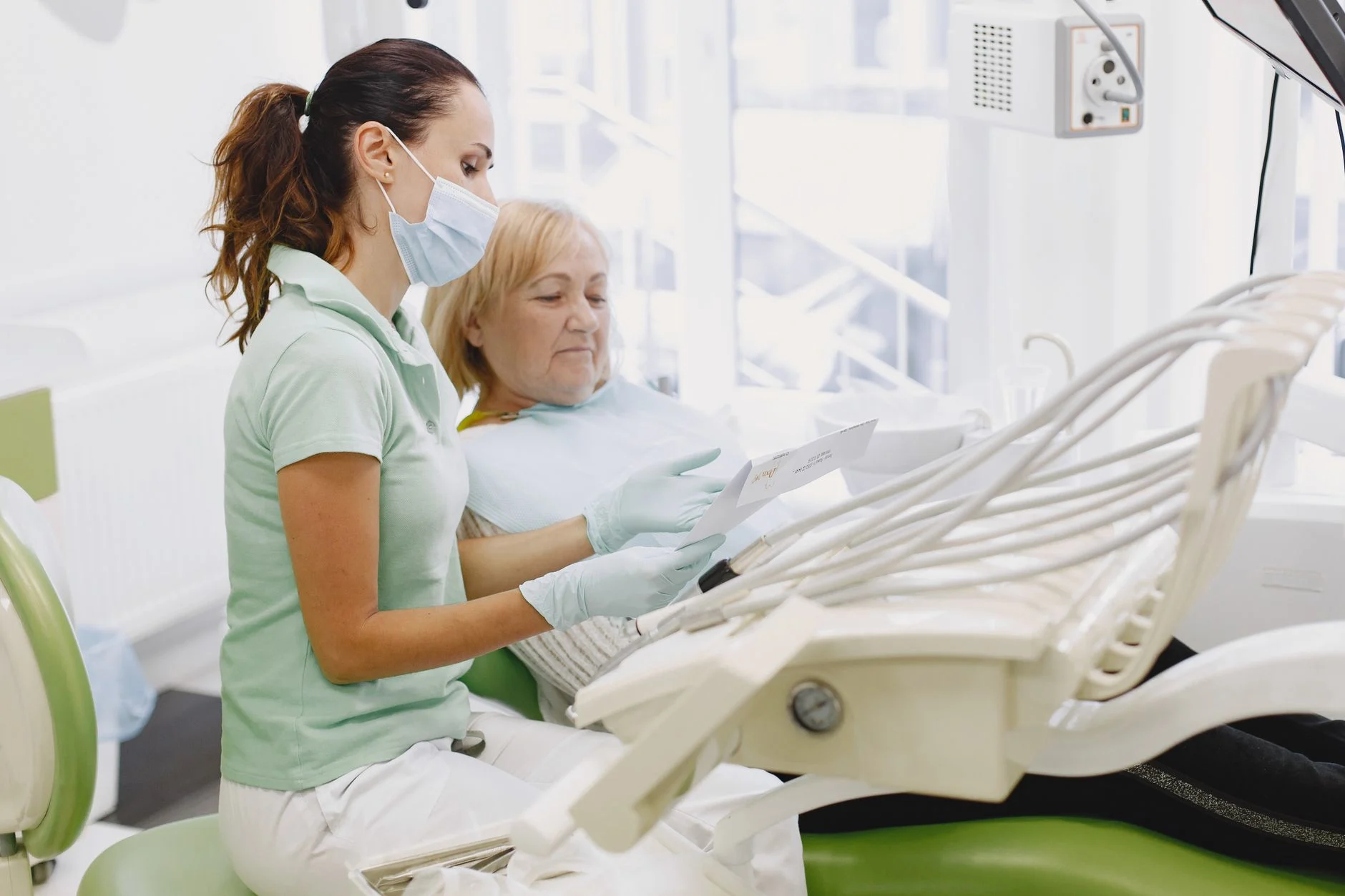
Recovery after dental implant placement usually goes smoothly if you follow the post-operative instructions. A soft diet, avoiding strenuous physical exertion in the first 48 hours, using the mouth rinse recommended by the doctor and taking the prescribed antibiotic correctly are the essential steps. You can carefully continue brushing the neighbouring teeth; the implant area is cleaned with a sterile swab or with the means indicated by your doctor.
The signs that call for immediate contact with the clinic are pain that intensifies after the third day, bleeding that recurs without injury, a fever above 38°C, swelling that spreads towards the neck or under the jaw, persistent numbness or changes in swallowing. The last two signs, spreading swelling and difficulty swallowing, are rare, but they indicate a deep infection that could become serious and require emergency assessment, not waiting for your check-up appointment.
Periodic check-ups and oral hygiene after an implant
A dental implant does not function independently of your hygiene habits. Periodic check-ups every six months to a year allow early detection of peri-implantitis, bone loss or complications with the prosthetic restoration. Professional cleaning, carried out with instruments adapted for implants, complements daily brushing and the use of oral irrigators at home, removing tartar deposits that an ordinary toothbrush cannot reach.
Frequently asked questions about the risks of dental implants
Photo source: unsplash
Patients who research before getting an implant usually have a few common questions to which clinical medicine provides clear answers. You will find them below, put directly and without medical jargon.
Can you really die from a dental implant?
Death directly caused by dental implant placement is theoretically possible, but extremely rare in real clinical practice. The documented potentially fatal scenarios involve injury to major arteries (the lingual artery or the submental artery) with uncontrolled haemorrhage, severe anaphylaxis to the anaesthetic or antibiotics, or deep neck infection (Ludwig’s angina) in immunocompromised patients. Each of these scenarios is preventable with a complete medical assessment, rigorous surgical planning and an emergency protocol activated promptly if the first warning signs appear.
How do you know osseointegration has succeeded?
The doctor assesses osseointegration using several methods: resonance frequency stability analysis (with the Osstell device), the percussion test (a dull sound indicates good integration, a hollow one suggests problems) and comparative radiological checks at the time of placement and 4-6 months afterwards. The absence of spontaneous pain, mobility and bleeding of the peri-implant mucosa are positive clinical signs that you can also notice in everyday life.
If you have further questions about the safety of dental implants or want to understand what the pre-operative assessment would involve in your case, you can request a consultation at the Dr. Radu Dumitru Clinic in Pitești. Appointments can be made on +40 771 648 386 or directly on the drradudumitru.ro website, Monday to Friday between 9:00 and 19:00. An assessment based on your specific medical situation is the only way to get a tailored answer rather than a general statistical estimate.
Is a dental implant more dangerous for older people?
No. Age in itself is not a contraindication for a dental implant. General health, bone quality and associated conditions are far more important factors than the patient’s age in years. Many patients over 70 successfully benefit from implant treatment after a complete medical assessment.
Which symptoms after a dental implant require you to see a doctor urgently?
Pain that intensifies after a few days, fever, heavy bleeding, pus, marked facial swelling or difficulty swallowing require you to contact the doctor immediately. Although these complications are rare, rapid intervention can prevent the situation from worsening and more serious problems from developing.
Disclaimer: The information in this article is for informational purposes only and does not replace a specialist medical consultation. Every patient has a different medical history, and the risks associated with a dental implant can vary depending on general health, existing conditions and anatomical particularities. A specialist consultation is needed for a proper assessment of your situation.