Most contraindications to a dental implant are not definitive refusals, but postponements with a clear medical reason. An implant integrates into the bone through a biological healing process, and any condition or habit that slows down bone healing reduces the chances of the implant becoming firmly fixed.
That is why the doctor analyses the condition of your gums and bone, any chronic illnesses, the medicines you take and how your body reacts to minor surgery. Below you can see when an implant is ruled out, when it is postponed and when it can be made possible through additional preparation.
What a contraindication to a dental implant means
A contraindication is a medical or local condition that increases the risk of the implant not integrating into the bone. It does not automatically mean that the procedure is impossible, but that, at the time of the assessment, the balance between benefit and risk is not favourable.
Dentistry divides these situations into three categories. An absolute contraindication stops the procedure, a relative one requires a condition to be stabilised, and a local contraindication requires the bone or gum to be treated before the implant.
Most contraindications are temporary. You can overcome them by bringing the underlying illness under control, by treating an infection or through a preparatory procedure on the bone.
When the doctor postpones the implant, they are protecting you from a predictable failure. An implant lost after a few months can mean additional bone loss, a new procedure and a treatment plan that has to start again.
The situations in which a dental implant cannot be placed
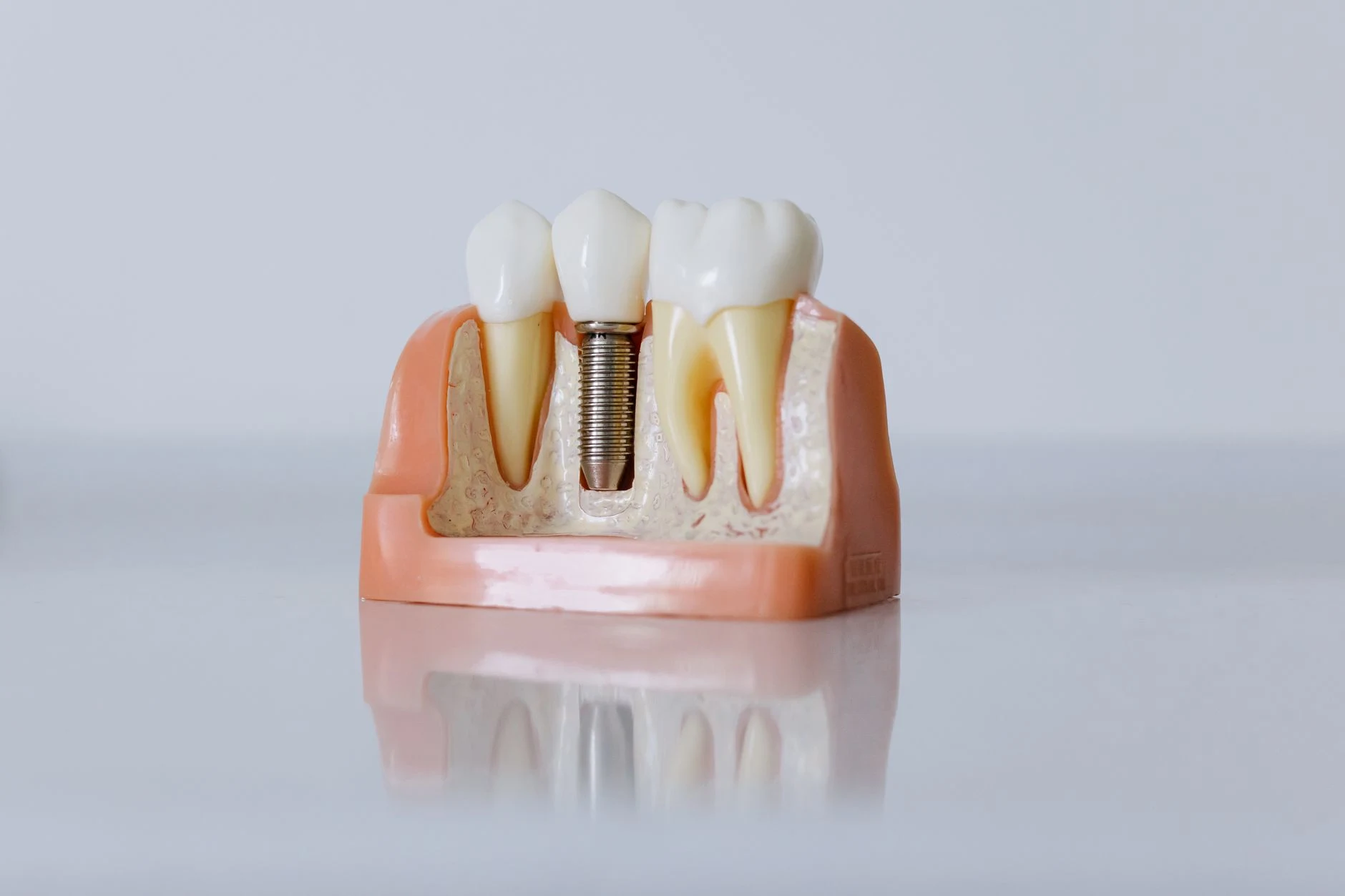
Source: freepik
Absolute contraindications have a common denominator. In these situations, the procedure can endanger your general health or the body cannot support the bone healing needed for the implant to become fixed.
In everyday practice, absolute contraindications are rare. Most people who come for a consultation fall into the relative category, and the details about when a dental implant cannot be placed are worth checking for your specific case, not against a general list. Once the underlying treatment has been completed, the doctor can re-evaluate some of the situations below.
Active cancer treatment and radiotherapy to the head and neck
Chemotherapy reduces the bone marrow’s ability to produce blood cells and lowers immunity, which means a surgical wound heals with difficulty and becomes infected easily. During the same period, the bone around the implant cannot rebuild normally.
Radiotherapy to the head and neck brings an additional risk. The blood vessels in irradiated bone narrow, the bone receives less blood and osteoradionecrosis can occur, an area of bone that dies and no longer regenerates after surgery.
Once cancer treatment has finished, the doctor can re-evaluate the situation. The decision is made together with the oncologist, depending on the dose received, the irradiated area and your general health.
Intravenous bisphosphonates and the risk of osteonecrosis
Intravenous bisphosphonates are given in oncology, for bone cancer, bone metastases and multiple myeloma, to limit the destruction of bone. The concentration that reaches the bone is much higher than with tablets.
These medicines block the cells that remodel bone. The jawbone is left with a very low capacity to regenerate. After an extraction or the placement of an implant, the operated area can progress to osteonecrosis of the jaw, with exposed bone that does not heal.
The oral form, used for osteoporosis, falls into a different risk category and is covered below, under relative contraindications.
Severe clotting disorders and blood diseases
Placing an implant involves an incision, lifting the gum and drilling the bone, and therefore controlled bleeding. In a person with haemophilia or severe thrombocytopenia, bleeding cannot be stopped by the usual means available at the clinic.
The risk arises during the procedure, but also in the following days, when a haematoma growing in the floor of the mouth becomes an emergency. The question of the risks of a dental implant is answered according to your medical history, because these situations must be anticipated before the procedure.
If you have a blood disorder, approval from a haematologist is mandatory before any oral surgery.
Severe immunosuppression and advanced immunodeficiencies
Osseointegration depends on clean wound healing. When the immune system is severely compromised, bacteria from the mouth can colonise the operated area before bone forms around the implant.
If you have had a transplant and are on immunosuppressive treatment, the doctor analyses the case carefully. The medication that protects the transplanted organ reduces the immune response needed for healing and increases the risk of peri-implant infection.
Serious psychiatric conditions and alcohol or drug dependence
An implant works in the long term if you clean it daily and go for regular check-ups. When a severe psychiatric condition or an active addiction prevents you from following the post-operative instructions, the restoration can be lost even if the procedure went well.
Chronic alcohol consumption also affects bone metabolism and slows down healing. How well you are able to follow the instructions weighs as much here as a diagnosis, and it is assessed without any judgement of you.
The conditions that postpone an implant until they are under control
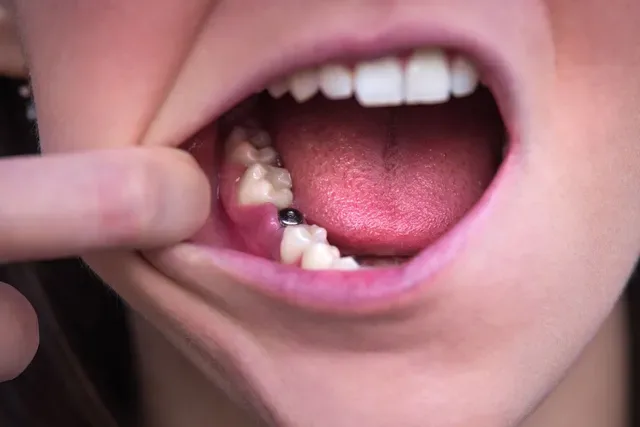
Source: freepik
Relative contraindications follow a simple logic. The illness itself does not rule out the implant, but its uncontrolled form raises the risk of failure above an acceptable level, and the risk can return to safe limits once it is stabilised.
Most of the situations assessed at a consultation belong to this group. The plan is drawn up together with your GP or the specialist who monitors your condition, and the postponement has a precise purpose and a re-evaluation point set by the doctors.
Uncontrolled diabetes mellitus
Well-controlled diabetes does not prevent an implant. What makes the difference is blood sugar control, not the diagnosis itself, and if your values are stable you can have chances of integration close to those of a person without diabetes.
Consistently high blood sugar affects the small vessels that nourish the bone and gum and reduces the ability of white blood cells to control bacteria. The wound heals more slowly, and the risk of infection around the implant increases.
The doctor usually asks for your glycated haemoglobin value, because it shows your average blood sugar over the last few months, not an isolated morning reading. It is interpreted individually, together with your diabetes specialist, not against a fixed threshold applied to everyone.
Unstable cardiovascular conditions and recent heart attack
After you have had a heart attack or a stroke, your heart and circulation can go through a period of instability. The stress of the procedure and local anaesthesia with a vasoconstrictor can increase the risk of a new event, so the implant is postponed until the cardiologist confirms that your condition is stable.
If you have a prosthetic heart valve or a history of endocarditis, you may need antibiotic prophylaxis before the procedure, because bacteria that enter the bloodstream can settle on the valve. If you have uncontrolled high blood pressure, the doctor postpones the implant until your values are stable, because high blood pressure can increase bleeding during surgery.
Anticoagulant and antiplatelet treatment
If you are on anticoagulant treatment, do not stop it on your own initiative. Stopping the medication suddenly can expose you to a risk of thrombosis greater than the risk of bleeding from a dental procedure.
The doctor determines the surgical protocol based on your clotting values, checked before the procedure. For you, the plan may mean a less invasive approach, local haemostatic materials, additional sutures or procedures planned in smaller stages.
The dentist speaks directly with the cardiologist or the doctor who prescribed your treatment. That way, you receive a recommendation adapted to your condition and medication, without changing the doses or the dosing schedule yourself.
Osteoporosis and oral bisphosphonates
In osteoporosis, bone is less dense and more porous, which can affect the primary stability of the implant, meaning how firmly it is fixed at the moment of placement. This initial stability supports the implant until new bone forms around it.
The difference between the two forms of bisphosphonates matters a great deal when the doctor determines whether the implant can be placed safely.
The duration of treatment is an element the doctor takes into account, because the substance accumulates in the bone over time. Short-term use does not carry the same weight as continuous long-term treatment.
Pregnancy and breastfeeding
During pregnancy, the implant is postponed for practical reasons. Planning requires a 3D X-ray, the procedure involves anaesthesia, and after surgery antibiotics and anti-inflammatories are often prescribed which may not be suitable during this period.
This is a temporary postponement, not a ban. In the meantime, you can have professional cleanings and have cavities or gingivitis treated, because pregnancy encourages gum inflammation and oral health must be maintained.
Local factors and habits that prevent the implant from integrating
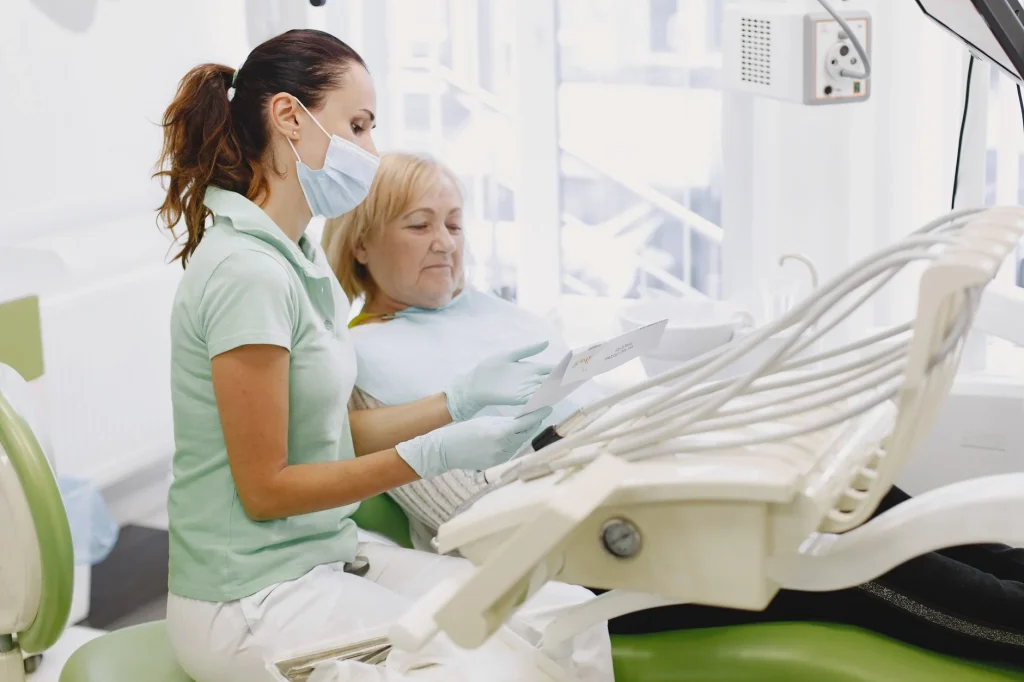
Source: freepik
Unlike general illnesses, local factors can be seen directly in the mouth, in the bone and gum. These include the amount of bone available, the condition of the periodontal tissue, hygiene and habits such as smoking or teeth grinding.
Smoking needs to be described accurately, without dramatisation. Nicotine reduces blood flow in the gum. The heat and the substances in smoke affect wound healing, which can increase the risk of implant failure and of losing the bone around the implants. An implant may still be possible if you smoke, but cutting down during the healing period can improve your prognosis.
Most of these factors can be corrected before the procedure. If you ignore them, peri-implantitis, the inflammation that destroys the bone around the implant, and loss of the implant can follow.
Insufficient bone height or width
The jawbone resorbs after extractions, because it no longer receives the chewing stimulus transmitted through the tooth root. If you have worn a removable denture over a toothless ridge for a long time, the loss of bone volume can be considerable.
Anatomy also sets limits. In the upper jaw, a low-lying sinus reduces the height of available bone, and in the lower jaw the path of the inferior alveolar nerve must be avoided at a safe distance.
A lack of bone is rarely a definitive refusal. In most cases, the doctor treats it as an additional surgical stage before the implant.
Active periodontal disease and infections in the bone or gum
Bacteria from periodontal pockets can colonise the implant surface immediately after placement. If periodontal disease is active at the time of the procedure, infection can also develop around the new implant.
The recurrence can take the form of peri-implantitis, with bleeding, gum recession and progressive bone loss. A granuloma or cyst left in the bone can produce the same effect.
Periodontal treatment and the elimination of sources of infection are mandatory stages of the plan. After stabilisation, the doctor can decide when to place the implant.
Poor oral hygiene
An implant needs the same daily care as a natural tooth, sometimes even more careful care, because the contact area between the gum and the implant is more vulnerable to bacterial plaque. Correct brushing, dental floss or interdental brushes support the health of the surrounding tissues.
Regular professional cleanings complement your routine at home and allow early detection of gum inflammation around the implant. If you correct your habits before treatment, the care is already second nature by the time the implant is in use.
Bruxism and excessive chewing forces
Teeth grinding applies repeated lateral forces to the implant and the crown. Unlike a natural tooth, which has a ligament that cushions impacts, an implant is rigidly fixed in the bone and transmits every pressure directly.
A protective night guard reduces the load during sleep. In addition, the prosthetic plan is adjusted for patients with bruxism through the choice of materials, balancing of the contacts and, sometimes, a larger number of implants to distribute the forces.
How the doctor determines whether an implant is possible in your case
The assessment for a dental implant in Pitești follows a predictable sequence, and its result is a clear plan, not an on-the-spot answer. It is worth coming to the consultation with details of any chronic illnesses and the complete list of your medicines.
- Medical history: a discussion about chronic illnesses, previous procedures and every medicine you take, including supplements.
- Blood tests: frequently requested before the procedure, usually a full blood count, blood glucose, glycated haemoglobin and clotting tests.
- 3D scan: the actual measurement of the height and width of the bone, its density and the position of the sinus or the inferior alveolar nerve.
- Digital planning: determining the position and size of the implant on the 3D image, before the bone is touched.
- Approval from your treating doctor: written confirmation from the cardiologist, diabetes specialist or haematologist, when there is a condition that affects the procedure.
Age often comes up in the discussion, but it works differently from what most patients think. There is no upper age limit, and an older person in good general health can be a candidate for an implant. The lower limit is linked to the completion of bone growth.
What solutions exist when your bone or health does not allow an implant right now
A negative answer at the first assessment can open up a plan in stages. When the problem is bone volume, a bone graft rebuilds the width or height of the ridge with graft material. A sinus lift raises the sinus membrane to create space for bone in the side area of the upper jaw.
With limited bone, there are also approaches that can avoid a graft. Tilted implants use the areas with denser bone. Rehabilitation on a reduced number of implants supports a full restoration with fewer support points, depending on what the 3D investigation shows. There are several types of dental implants suited to each situation.
When the reason for postponement is a systemic illness, the doctor can plan to delay treatment. The condition is treated in parallel with preparing the mouth, and the information about how long a dental implant takes can help you understand the stages of the plan.
If the implant remains contraindicated, prosthetic alternatives can restore chewing function. A dental bridge supported on the neighbouring teeth can fill small gaps, while a removable or partially removable denture remains an option for more extensive tooth loss.
How to decide on the next steps if you recognise yourself in one of these situations
The three categories are simple to read. Absolute contraindications rule out the procedure for as long as the condition persists, relative ones postpone it until the illness is under control, and local ones can be corrected by preparing the bone or gum.
The practical criterion by which you can estimate your situation is how well the condition is controlled. A chronic illness monitored by a doctor, with stable values and treatment followed properly, can be compatible with an implant, unlike one that is untreated or has fluctuating values.
For the consultation, bring your medical history, your latest test results and the exact list of medicines you take. With this information, the discussion about the stages of a dental implant becomes concrete from the very first session.
The final decision is made individually, after a clinical examination and a 3D investigation. A general list of contraindications shows you what to expect, but the answer for your case comes from the doctor who assesses your bone and your medical file.