You went to the dentist determined to deal with a missing tooth and left with an answer that gave you pause: a dental implant cannot be placed right now. It is a frustrating situation, especially when you do not understand exactly what is holding you back and whether the obstacle is permanent or temporary. Many patients mistake a postponement for a lifelong exclusion and needlessly give up on a solution that would, in fact, be available to them after proper preparation. This article shows you clearly what the real contraindications for an implant are, how they divide into absolute and relative, what role bone and age play, and what you can do in practical terms when the procedure is not possible at the time of your consultation.
Why not every patient is a candidate for a dental implant
Photo source: freepik
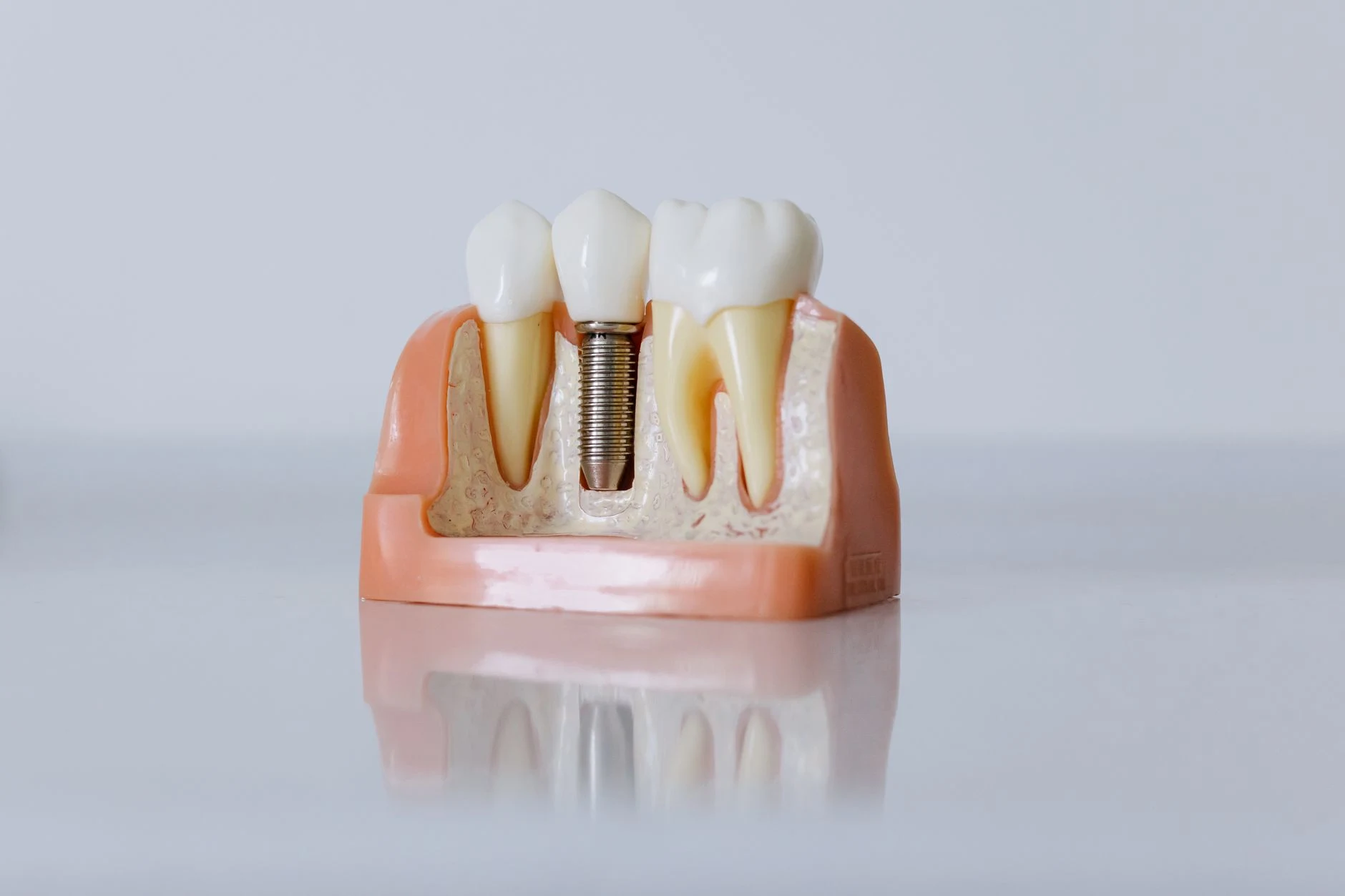
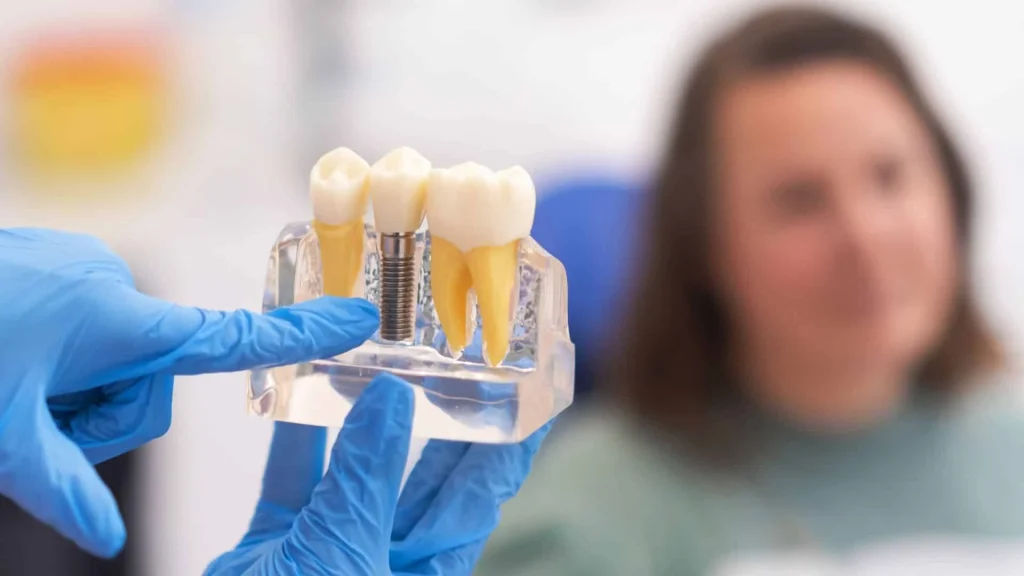
A dental implant is a titanium screw placed in the bone, taking over the role of the tooth’s natural root. For it to integrate and last for many years, you need specific medical and anatomical conditions: healthy and sufficient bone, normal tissue healing and an overall state of health that allows a minor surgical procedure. Precisely because the procedure depends on these factors, not everyone is a suitable candidate at the time of the consultation. If you want to understand in more detail what a dental implant involves, you will see that its long-term success comes down to a rigorous assessment, not luck.
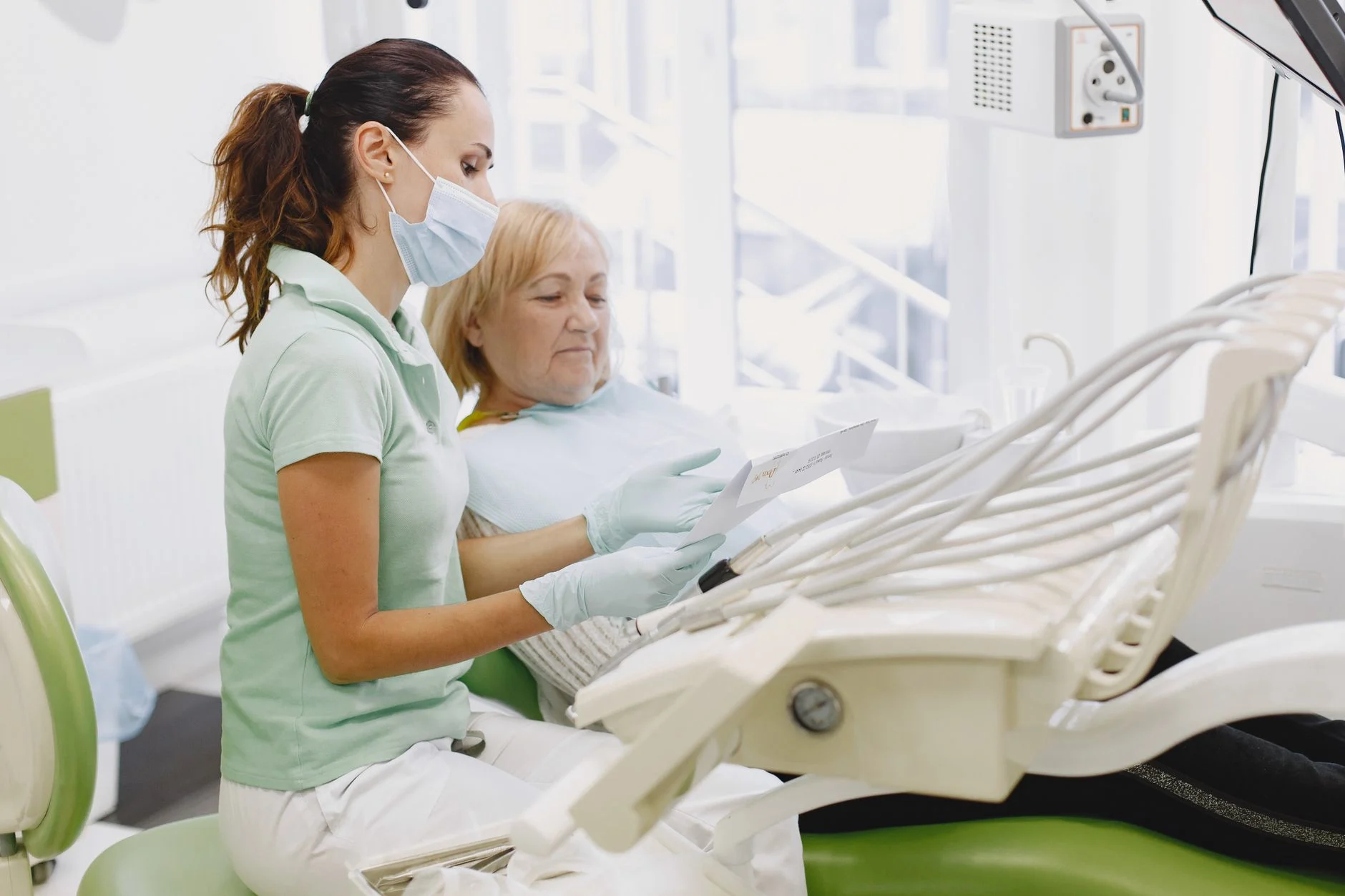
This is where the distinction that shapes the rest of the discussion comes in: contraindications are either absolute or relative. Absolute ones rule out the procedure regardless of treatment, whereas relative ones are situations that can be controlled or corrected before the procedure. Confusing a postponement with a permanent exclusion discourages many patients for no reason. The only way to find out which category you fall into is not an internet search, but a complete medical assessment that looks at both your general health and the local situation in your mouth.
Absolute contraindications — when a dental implant is not possible under any circumstances
Photo source: freepik
An absolute contraindication means a medical condition in which an implant is not placed, because the risk of failure or serious complications is too high, regardless of preparation. These situations are not set arbitrarily by one doctor or another; they are based on internationally recognised clinical protocols, built on years of observation of hundreds of thousands of cases. We are talking about active cancer, intravenous bisphosphonate therapy, severe immunodeficiencies, serious blood disorders and uncontrolled psychiatric disorders.
To give you an idea of how much these factors matter, clinical data show clear differences in risk between favourable and problematic situations. The chart below compares the relative risk of implant failure for several widely studied factors.
Source: Smoking, Radiotherapy, Diabetes and Osteoporosis as Risk Factors for Dental Implant Failure, PLOS ONE meta-analysis.
Active cancer and radiotherapy to the head area
If you are undergoing chemotherapy or radiotherapy to the head and neck area, an implant is contraindicated during this period. Chemotherapy affects the body’s ability to heal tissue and fight infection, while radiotherapy reduces the blood supply and turns irradiated bone into an environment in which implant integration, known as osseointegration, becomes unreliable. The risk of failure almost doubles in irradiated patients compared with non-irradiated ones, according to a meta-analysis published in PLOS ONE, and in irradiated bone the implant survival rate drops noticeably, ranging between 74.4% and 97% in systematic reviews, compared with values above 96% under normal conditions.
An important point is that active cancer does not rule you out for life. For a patient in remission, the situation is reassessed, and an implant can become an option again after a period of stabilisation and with the oncologist’s agreement. The exact interval is not fixed and depends on the type of treatment received, the irradiated area and your general health, which is why the decision is made jointly by the dentist and the oncology team.
Intravenous bisphosphonates and the risk of osteonecrosis of the jaw
Bisphosphonates are medicines that slow down bone loss and are prescribed either for osteoporosis or in certain forms of cancer affecting the bones. Their problem in a dental context is that they reduce the bone’s ability to recover after a procedure, which can lead to osteonecrosis, that is, the death of a portion of bone in the jaw. The important distinction concerns the route of administration: the intravenous form, used mainly in oncology, carries a major risk, while the oral form, taken for osteoporosis, involves a much lower and manageable risk.
The figures explain why the intravenous category is treated as a serious contraindication. In cancer patients receiving intravenous bisphosphonates, the incidence of osteonecrosis of the jaw ranges between 1% and 10%, with a cumulative risk of about 11% after four years of continuous treatment with zoledronic acid, according to the StatPearls database. By contrast, in patients taking oral bisphosphonates for osteoporosis, the incidence is around 0.7 cases per 100,000 people per year, and the rate of osteonecrosis after implant placement in those on this therapy was 0.5% in an analysis of 21 cohorts, according to a review published in PMC. Whatever the situation, the decision to change or stop such medication lies with your treating doctor, not with the dental practice.
Severe immunodeficiencies, blood disorders and uncontrolled psychiatric disorders
A severely compromised immune system directly affects the safety of a surgical procedure. When the body’s natural defences are greatly reduced, the risk of post-operative infection increases and healing around the implant becomes unpredictable, which makes the procedure contraindicated until the underlying condition is stabilised.
Serious blood disorders fall into the same category when they involve severe clotting problems. A surgical procedure involves controlled bleeding, and if the natural clotting mechanism does not work properly, the risk of uncontrolled haemorrhage becomes unacceptable. Likewise, uncontrolled psychiatric disorders raise a practical issue, not a judgement of the patient: the success of an implant depends on rigorous hygiene in the first few weeks and careful adherence to the post-operative protocol, and when these requirements cannot be met safely, the procedure is postponed until the condition stabilises. In all these cases, the priority remains your overall health, and the approach is built with empathy and in collaboration with the specialists who look after you.
Relative contraindications — situations that can be resolved before an implant
Photo source: pexels.com
A relative contraindication does not close the door on you; it simply asks you to take an extra step first. It is a condition that needs to be controlled or treated, not one that permanently rules out an implant. For most patients, this is where the most common obstacles lie, and many of them become manageable with proper medical preparation and a little patience. In practice, an initial negative answer turns, in many cases, into a “yes, but later”.
Managing these situations depends on collaboration between the dentist and your GP or the specialist who monitors your underlying condition. Blood sugar brought under control, a treated infection or medication adjusted by your cardiologist can reopen access to an implant for you. If you are interested in the specific implant options available once you are ready, you can look, for example, at Neodent implant solutions in the dedicated section of the website.
Diabetes mellitus and eligibility for an implant
Diabetes does not automatically rule you out for an implant, but it matters enormously whether or not it is under control. The essential difference is between uncontrolled diabetes, which acts as a relative contraindication, and well-managed diabetes, which is generally acceptable with careful monitoring. Hyperglycaemia, meaning high blood sugar, slows tissue healing, affects the blood supply and increases the risk of infection, all of which jeopardise the osseointegration of the implant.
The data offer clear reassurance: in patients with controlled diabetes, the risk of implant failure does not differ significantly from that of people without diabetes, according to the same PLOS ONE meta-analysis. Before the procedure, the doctor determines whether your blood glucose and glycated haemoglobin values, a marker reflecting control over recent months, are within acceptable limits. These thresholds are interpreted individually, which is why well-balanced diabetes can quickly place you among eligible candidates.
Pregnancy, anticoagulant treatment and acute infections
Pregnancy is a classic example of postponement, not of giving up. An implant involves anaesthesia, possibly X-rays and sometimes post-operative medication, and during this period the priority is to avoid any unnecessary risk to mother and baby. After the birth, and usually after the breastfeeding period, the procedure becomes an option again, with the exact window decided together with your doctor.
Anticoagulant treatment raises a different issue, related to bleeding. These medicines thin the blood and can cause an ordinary procedure to become complicated by bleeding that is hard to stop, which is why any adjustment is made exclusively in collaboration with the cardiologist who prescribed the therapy. Just as importantly, an implant is never placed in the presence of an active source of infection, whether a dental infection, an inflamed periodontal pocket or another acute infection. The bone and gum must be healthy for the implant to integrate, so treating the infection becomes the first step, not a detail to overlook.
Smoking, bruxism and poor oral hygiene
Smoking is the behavioural factor most often underestimated by patients. It reduces the blood supply to the gum and bone, slows healing and almost doubles the implant failure rate: the relative risk in smokers is 1.92 compared with non-smokers, according to the PLOS ONE meta-analysis. Even so, smoking remains a relative, not an absolute, contraindication, which means that cutting down or quitting before and after the procedure significantly increases your chances of success.
Bruxism, that is, involuntary grinding or clenching of the teeth, subjects the implant to excessive forces that can compromise its stability over time. The solution is not exclusion from treatment, but protecting the implant with a night guard that distributes these forces correctly. Poor oral hygiene completes the picture of correctable factors. Poor hygiene encourages inflammation around the implant, but it is a condition that can be remedied with a professional clean and a proper routine, not a permanent obstacle. Here, in brief, is the status of these behavioural factors:
Insufficient bone — an anatomical obstacle that can be overcome
Photo source: pexels.com
One of the most common questions arises when you are told that you “don’t have enough bone”. An implant needs an adequate quantity and quality of bone to be stable, because the bone anchors it and absorbs the chewing forces. When bone volume is reduced, the screw has nowhere to anchor properly, and long-term stability becomes uncertain. However, this is an anatomical obstacle, not a sentence, and it has several real solutions.
Bone loss, known as resorption, has a few typical causes worth knowing, because they explain why the problem arises and how it can be prevented:
- A tooth missing for a long time, because bone that is no longer stimulated by a root gradually recedes
- Periodontal disease, which progressively destroys the supporting bone
- Chronic infections, which erode the bone structure in the affected area
For each situation there are bone regeneration techniques. Bone augmentation, also known as a graft, rebuilds the missing volume, while a sinus lift creates the space needed in the side area of the upper jaw. In extreme cases, with very severe bone loss, solutions such as zygomatic or subperiosteal implants are discussed. An option that prevents the problem from the outset is the immediate post-extraction implant, placed in the same session as the tooth is removed, before the bone has a chance to resorb. None of these techniques is a universal solution, and the right choice depends strictly on the individual assessment, in which 3D imaging shows exactly how much bone structure you have available.
Age and eligibility for a dental implant
Photo source: pexels.com
Age is the source of one of the most widespread myths about implants, in both directions. At the younger end, implants are not recommended for teenagers, because the jawbone is still growing, and a screw fixed in bone that has not finished developing can end up misaligned once growth is complete. As a guide, the point at which facial bone structure is sufficiently mature comes at around 18 years of age in boys and 16 in girls, according to the American Academy of Implant Dentistry, but the real benchmark remains clinically confirmed bone maturity, not a fixed number on the calendar.
At the other end, there is no absolute maximum age beyond which an implant becomes impossible. The real criterion is not the number of years, but your general state of health. A healthy older patient can be an excellent candidate, while particular factors such as osteoporosis or polypharmacy, meaning taking several medicines at the same time, simply call for careful adaptation of the protocol. In other words, old age in itself does not rule you out, and the assessment looks at the person as a whole, not the date of birth.
What can be done when a dental implant is not possible for the time being
Photo source: pexels.com
If an implant is not possible at the moment, you are not left without options. There are prosthetic alternatives that restore your chewing function and appearance, either temporarily, until you become eligible, or as a long-term solution. The most widely used options are summarised below:
Alongside a temporary solution, you can work actively on preparing for a later implant. This means treating systemic conditions together with your doctor, quitting smoking, having a professional clean and resolving any active infection. Where lack of bone is the problem, bone augmentation techniques open the way to a wide range of options, from a Straumann implant to other modern systems. And if a tooth can still be saved, endodontic treatment carried out under the microscope can postpone or even eliminate the need for an implant in that area.
Whatever your situation, realistic planning starts with a 3D imaging assessment, which shows exactly how much bone structure you have and which procedure is possible. There is no answer that holds true for everyone, because every case is individual. The only way to establish your real eligibility, without guesswork and without unnecessary fears, is a specialist consultation that sets out the concrete options in front of you, not a verdict based on hearsay.
Book an assessment and find out what options you really have
If you have been told that a dental implant cannot be placed, or you simply want to know whether you are eligible, the most useful step is a clear assessment, with 3D imaging and a discussion about your specific situation. You can find out what the procedure involves and which treatment options suit you by visiting the dental implant Pitești section and requesting an appointment for a detailed assessment.