
The question of what you can eat after a dental implant almost always comes up in the first few minutes after you leave the surgery, with the anaesthetic still working and a list of instructions in your hand. Your diet over the following period is not a matter of comfort, but of how the blood clot stabilises and how the bone bonds to the surface of the implant.
The rules change as the days go by. On the first day, consistency and temperature matter; in the first two weeks, which side you chew on matters; and in the following months, how quickly you return to firm foods matters. The timeframes below are a guide, and the instructions of the doctor who placed your implant always take priority.
What you eat after a dental implant and why it matters so much
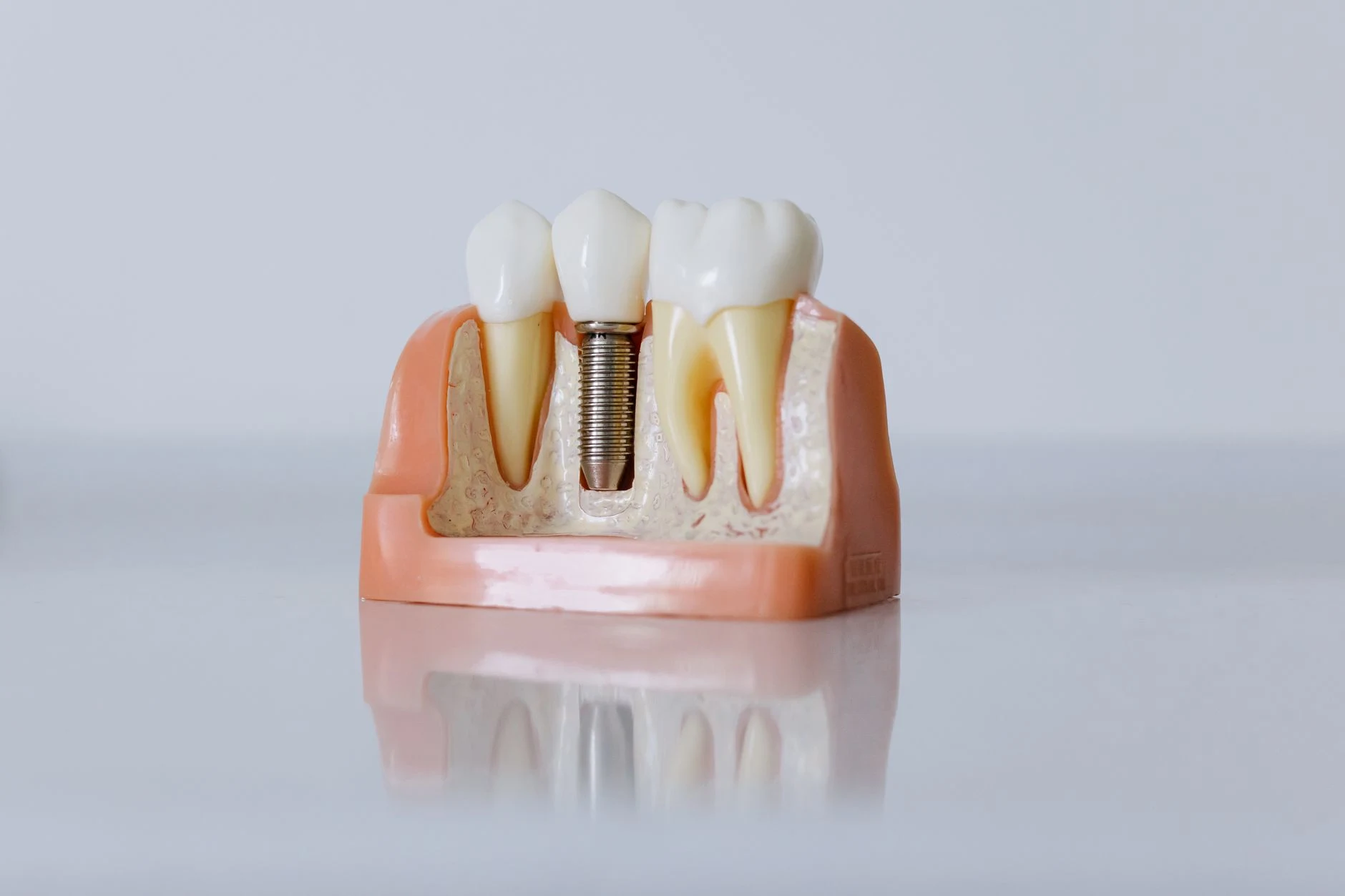
Source: goldenmiledental
After a dental implant is placed, a blood clot forms around the screw, protecting the bone and soft tissue. Any food that dislodges that clot or irritates the wound delays healing. In the long term, the same area goes through osseointegration, the process by which the bone grows in direct contact with the surface of the implant.
It’s not only which foods you choose that matters, but also how hot they are and how much force you ask of your jaw to chew them. A hot soup can do more harm than a piece of soft cheese. If you want the full timeline, you can also check on our website how long a dental implant takes from placement to the final restoration.
The first 24 hours after implant placement
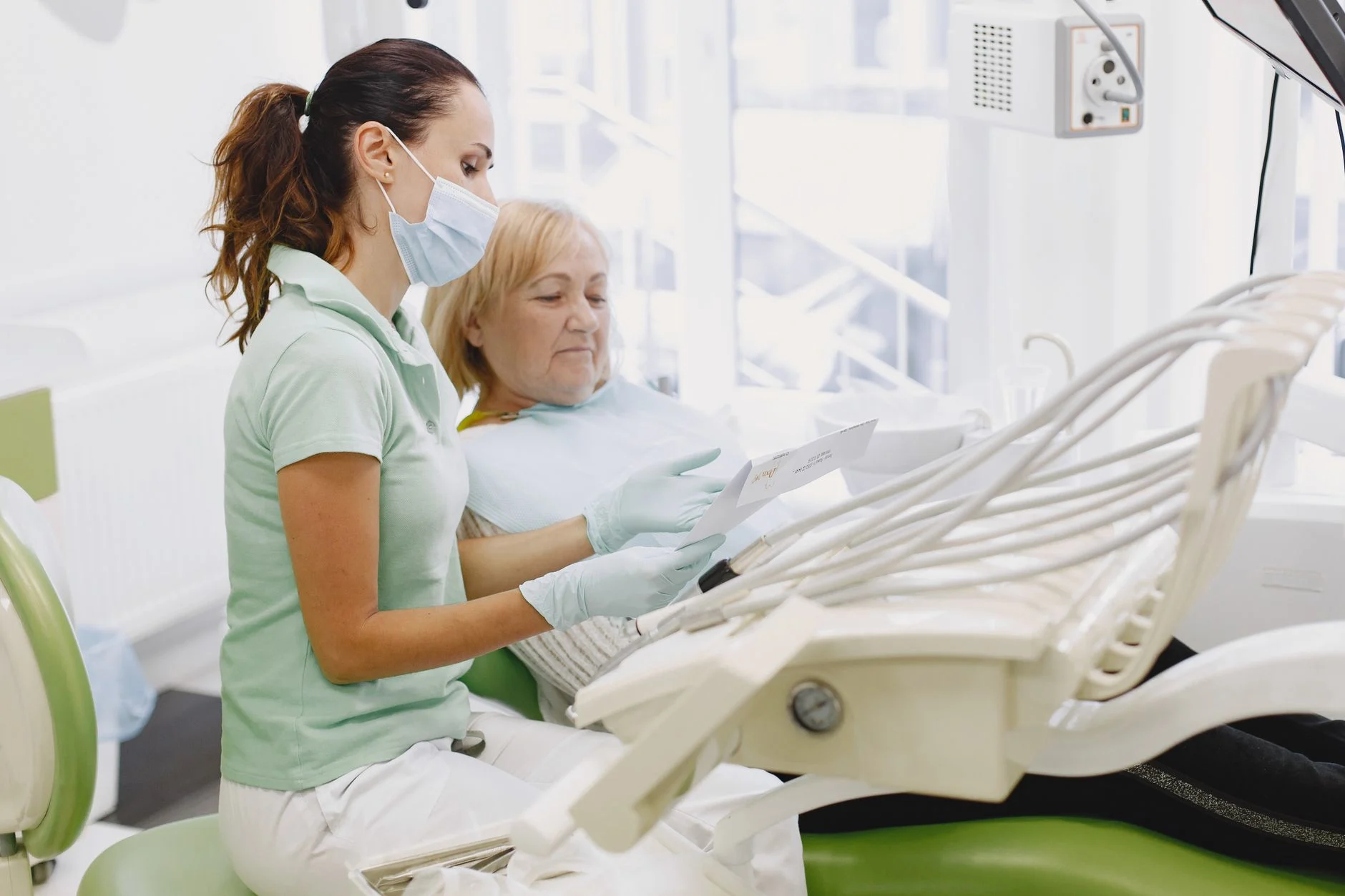
Source: urbansmilescolwood
The first day is when the blood clot organises itself. Food should be liquid or semi-liquid, at room temperature or slightly lukewarm, and the operated area should be left completely alone.
One detail that is often overlooked is the anaesthetic. While your lip, cheek or tongue are numb, you can’t feel pressure or pain, so you could injure yourself without realising it.
When you can eat for the first time after the procedure
The usual guideline is about two hours after the procedure ends, or at least until the anaesthetic has completely worn off. In practice, you wait until your lip and tongue feel the same as they did before the procedure.
Chewing while numb often leads to biting your cheek or tongue. A wound like this heals slowly in a mouth that has already been operated on. If you have been given an antibiotic to take with food, ask before you leave how to fit it around your first meal. A yoghurt or a strained soup at room temperature is usually enough.
Liquid and semi-liquid foods suitable for the first day
On the first day, foods that can be swallowed without any chewing effort work well. Take them with a spoon, in small amounts, and keep them on the side opposite the operated area.
- Strained vegetable soup or cream soup, cooled until lukewarm
- Smooth mashed potato, thinned with a little milk or soup
- Plain yoghurt, sana or kefir, without fruit pieces or seeds
- Vanilla pudding, semolina pudding, crème caramel
- Mashed banana or baked apple purée, well blended
- A thicker smoothie, eaten with a spoon, never through a straw
Staying hydrated remains important even if you’re not hungry. Drink still water at room temperature, in small sips, throughout the day.
What to avoid on the first day
The most common mistake on the first day is the straw. Sucking creates negative pressure in the mouth and can dislodge the freshly formed clot, reopening the wound and prolonging the bleeding. For the same reason, avoid vigorous rinsing and forceful spitting.
- Drinks taken through a straw and vigorous rinsing, because of the pressure on the clot
- Hot tea, hot soup, hot coffee, as they increase bleeding
- Alcohol, which thins the blood and interferes with prescribed medication
- Smoking, because it reduces blood flow exactly where healing needs it
- Touching the area with your tongue, your finger or hard foods
The soft diet from day 2 to day 14
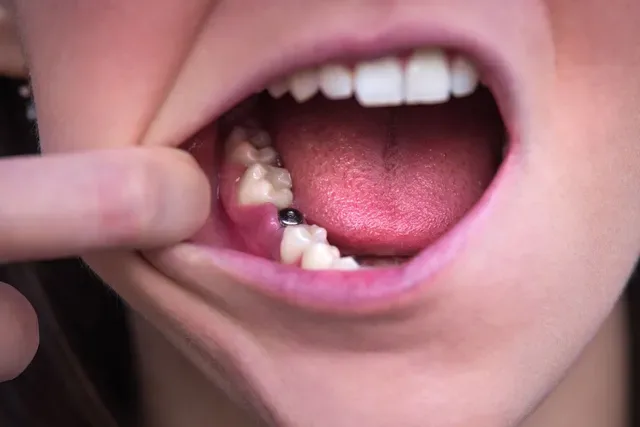
Source: calciumclinics
From the second day, you can move from liquids to soft foods, the kind you can easily squash with your tongue against the roof of your mouth. The test is simple. If the food gives way under the pressure of a spoon, you can eat it safely.
Chew only on the side opposite the operated area throughout this period. Small portions and frequent meals, four or five a day, give you the calories and protein you need without tiring your jaw muscles.
Protein sources that are easy to chew
Protein supports gum repair and wound closure, so it has no place on the list of things to give up. Soft-boiled eggs, fluffy omelettes, steamed white fish carefully deboned, well-cooked minced meat and soft cheeses cover your needs without chewing effort.
Dishes are much better if you blend them or mash them with a fork before serving. A chicken soup with shredded meat and puréed vegetables is still a complete meal, but it takes several times less effort than a roast.
Carbohydrates and well-cooked vegetables
The energy base of your meals in the first two weeks comes from mashed potato, well-cooked rice, soft-boiled pasta, vegetable cream soup and soaked oat flakes. Vegetables should be eaten boiled or steamed, never raw at this stage, because raw carrots or crunchy salad require a biting force that the operated area can’t yet handle.
Watch out for crumbs and small grains. Whole-grain rice, crumbly polenta, breadcrumbs and sweetcorn can get stuck next to the healing screw and become hard to remove without disturbing the gum.
Permitted fruit, dairy and drinks
Fruit goes on the menu in soft forms. Mashed banana, baked apple, very ripe pear and seedless purées are safe, and smoothies are eaten with a spoon. Small seeds from raspberries, kiwis or figs should be avoided completely, because they slip into exactly the area you are trying to protect.
Dairy is not forbidden, contrary to a common belief among patients. Plain yoghurt, kefir, cottage cheese and soft telemea are usually allowed and provide protein and calcium. Drink water, lukewarm teas and soups, and leave aside acidic juices, fizzy drinks and lemonade, which irritate the wound.
How to chew without putting load on the operated area
- Cut food into very small pieces before putting it in your mouth, to reduce the number of chewing movements
- Place food directly on the healthy side teeth, on the side opposite the implant
- Chew slowly and without forcing, with your lips closed, so you don’t push air into the operated area
- Stop eating if you feel sharp pain or bleeding, go back to liquids and call the clinic if it happens again
Foods and habits to avoid until healing is complete
All the restrictions in the post-operative period come down to three medical reasons. Mechanical pressure can move the implant or break the stitches. Chemical irritation inflames the gum, and debris trapped next to the wound increases the risk of infection.
If you accidentally eat something from the list, don’t panic. Rinse gently with water at room temperature, without swishing it forcefully around your mouth, and keep an eye on the area for a few hours. Only call the clinic if there is bleeding that won’t stop, pain that is getting worse or a persistent unpleasant taste.
Hard, crunchy foods and foods with small seeds
If you chew a nut, a pretzel, crisps, hard-crusted bread or a raw apple, the force goes straight to the implant area. In the first few weeks, the bone has not yet formed the support needed for such loads. Choose soft foods until the doctor confirms that you can gradually increase the firmness of your food.
If you eat foods with small seeds or hard crumbs, they can get stuck next to the healing screw or under the operated gum. Don’t try to remove them with a toothpick, a fingernail or a sharp object. Rinse gently and contact the doctor if the debris stays trapped or if the gum becomes painful.
Hot, spicy and acidic foods
If you drink hot soup, tea or coffee, the heat dilates the blood vessels in the operated area and can restart the bleeding. Let the drink or food cool to room temperature, or just lukewarm, in the first few days.
If you choose chilli peppers, hot paprika, vinegar, citrus fruit or acidic sauces, the wound may sting and the gum may become irritated. Simple, lightly salted dishes without hot spices are more comfortable until the soft tissue heals.
Coffee, alcohol and drinks taken through a straw
You can go back to coffee once the doctor confirms that healing is going well, but choose a lukewarm one, drunk from a mug. Avoid hot drinks in the first few days, as high temperatures can irritate the operated area and encourage bleeding.
Don’t drink alcohol while you are taking the prescribed antibiotics and anti-inflammatories. Alcohol can encourage bleeding and may affect healing. If you drink through a straw, sucking creates negative pressure in your mouth and can pull on the clot that protects the wound.
Smoking and the risk of implant failure
If you smoke after the procedure, nicotine constricts the small blood vessels in the gum and bone. The operated area therefore receives less oxygen and fewer of the substances needed to repair tissue. Osseointegration may progress more slowly and less predictably.
Stop smoking for the period set by your implantologist and extend the break for as long as you can. In the long term, smoking increases the risk of peri-implantitis, inflammation of the tissue around an implant that has already integrated.
Reintroducing firm foods during the months of osseointegration
Source: standrewsdentalcenter
Osseointegration usually takes between 3 and 6 months, depending on the area of the jaw, the quality of the bone and any associated procedures such as a bone graft. Throughout this time the implant is bonding with the bone, even if everything already looks healed on the surface.
The move from soft food to a normal consistency is gradual, one food at a time, not all at once. The absence of pain does not confirm integration; only an X-ray check can show it. You can see how each phase leads into the next in the guide to the stages of a dental implant.
When you can eat meat and firm foods again
Tender meat cut into small pieces usually returns to the menu after 4 to 6 weeks. Raw vegetables and hard-crusted bread come later, after two or three months, with the doctor’s confirmation at your check-up. Test your tolerance with small pieces, on the healthy side, and see how the area reacts over the next few hours.
A few habits are best avoided even after full integration. Cracking nuts with your teeth, opening packaging, chewing ice and biting pencils put forces on the implant that no tooth, natural or artificial, was built for.
Nutrients that support bone healing
Several categories of nutrients are directly involved in tissue and bone repair, and all of them have sources compatible with the soft diet of the first few weeks.
Supplements should only be taken on the doctor’s recommendation, especially if you are already on long-term treatment. A balanced diet usually covers your needs, without extra pills.
Eating when you receive fixed teeth on implants within 24 hours
The temporary restoration fitted on the same day gives you appearance and basic function, but it cannot withstand normal chewing forces. It is fixed on implants that are only just beginning the integration process, so any heavy pressure is transmitted straight to the bone.
With All on 4 / All on 6 solutions, you keep to a soft diet for the period set by your implantologist, with food cut into small pieces and spread across both sides. Once the final restoration is fitted, which happens at the end of integration, you can gradually return to a normal diet, with the common-sense exceptions regarding very hard foods.
Oral hygiene and the signs that call for a visit to the doctor
Source: healthline
Hygiene remains essential during the restricted diet; only the technique changes. In the first few days, brush the neighbouring teeth normally but avoid the operated area, using a soft-bristled toothbrush and short movements. Full brushing over the implant usually resumes after 7 to 10 days, as directed by the doctor.
Rinse gently, by tilting your head from side to side, without swishing the liquid forcefully. The prescribed antiseptic mouthwash or a lukewarm saline solution, a teaspoon of salt in a glass of water, cleans the area without disturbing the clot. The article “can you die from a dental implant” explains why the signs below must be taken seriously.
- Bleeding that continues for more than 24 hours or returns heavily
- Swelling that increases after the third day instead of going down
- A fever above 38 degrees or chills
- Pain that gets worse instead of easing, with no response to the prescribed painkiller
- A persistent unpleasant taste, discharge or odour from the operated area
- A feeling that the implant or the temporary restoration is moving
How to plan your meals at each stage of healing
Source: parkwooddental
The whole healing period is divided into four stages with different consistency rules. The table below gives you the plan in brief, so you know what to buy and what to cook at each point.
The simplest practical help is to prepare food before the procedure. A few portions of frozen cream soup and mash will save you from cooking in the first few days, exactly when you least feel like standing at the stove.
The plan is adjusted case by case. If you also had a bone graft or a sinus lift, the soft-diet period is extended, and the doctor will give you the exact timeframes at your post-operative check-up.
Eating in the post-operative period doesn’t call for special recipes, just attention to three simple things. Consistency, temperature and the side you chew on determine how smoothly healing goes. Follow the stages, come back for your scheduled check-ups and ask questions whenever something doesn’t match what you’ve read, because every case has its own particularities.
If you have any doubts about what you can eat after your dental implant in your specific situation, discuss them directly with the implantologist at the clinic in Pitești, at your check-up after the procedure.