After a dental implant has been placed, one of the first questions every patient asks is how long recovery takes and when the area will return to normal. Gum healing does not follow a fixed timetable; it varies depending on the type of procedure, your general health and how closely the post-operative instructions are followed.
Some patients notice a visible improvement within two to three weeks, while others need more time, especially if the procedure included additional techniques such as a bone graft or sinus lift. This article explains the stages of gum recovery, the normal signs of healing and the situations that require medical attention.
How long it takes for the gum to heal after a dental implant
Gum healing is a process that unfolds in distinct stages. In the first two weeks, the surgical wound closes initially, while complete closure of the soft tissue generally takes between three and six weeks. Visible recovery of the gum is not the same as completion of treatment – the soft tissue and the bone follow different recovery timetables.
The recovery timetable differs from one patient to another, depending on the position in the dental arch and the complexity of the initial surgery. By following how the gum evolves through the stages described below, you can more easily judge whether the process is going as it should.
Initial healing in the first 7-14 days
In the first seven to fourteen days after the surgery itself, the gum gradually begins to close around the healing cap or the cover screw. The soft tissue is actively regenerating, and the area may look slightly swollen or bright pink – both are normal signs of physiological post-operative inflammation. The stitches placed by the doctor keep the edges of the gum close together to allow proper healing.
At this stage, pain and sensitivity are present but manageable with the recommended painkillers. Your diet should be adapted, avoiding hard or hot foods that can irritate the forming tissue. The prescribed antibiotics and antiseptic solution support tissue regeneration and reduce the risk of local infection.
Complete closure of the gum after the procedure
Complete closure of the gum usually occurs between three and six weeks after the date of surgery. During this time, the appearance of the area improves visibly and discomfort decreases significantly. In some patients, the process may take slightly longer, especially when the procedure also included bone augmentation or a sinus lift – these additional techniques add a layer of tissue healing that extends the overall recovery timetable.
The difference between the gum and osseointegration of the implant
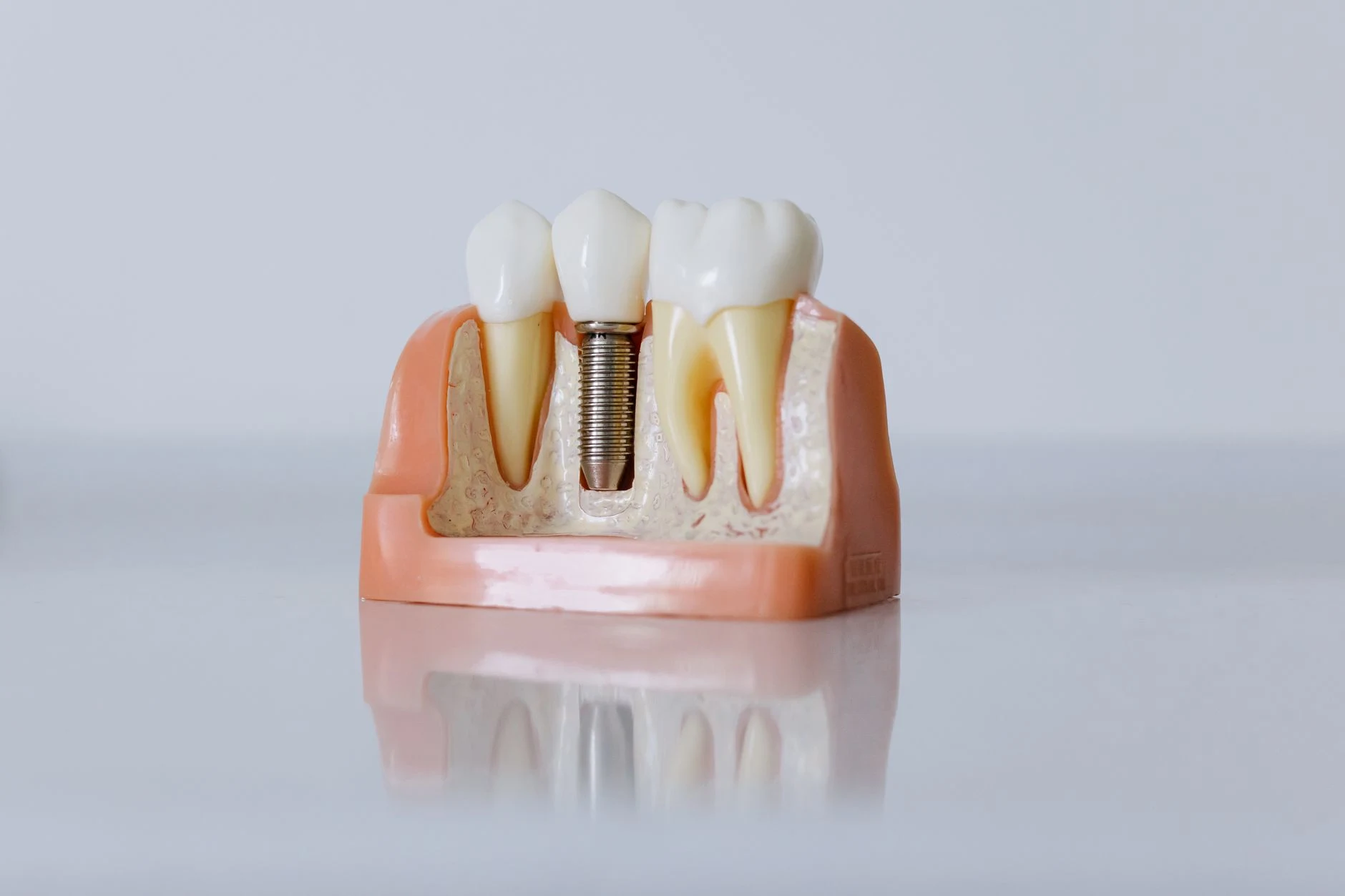
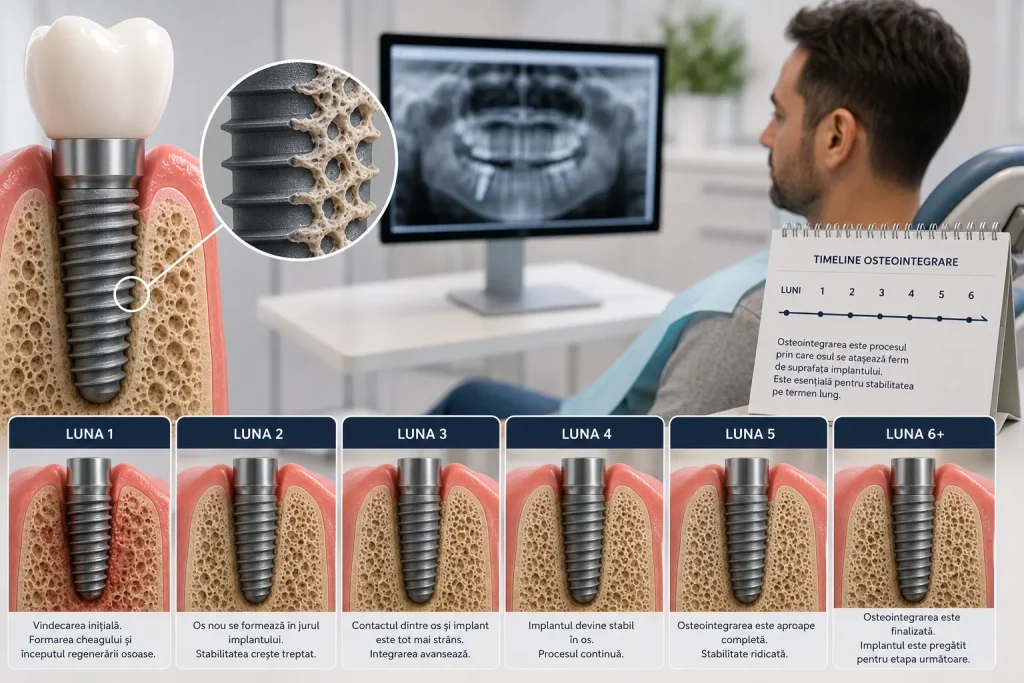
The gum heals within a few weeks, but osseointegration – the process by which the titanium screw fuses with the bone of the upper or lower jaw – takes significantly longer. Depending on bone density and position in the arch, this process may be completed in three to six months. Only after X-ray confirmation of complete bone integration can the definitive dental crown be fitted.
This distinction is essential to understanding why treatment must take place in several stages and why the timetable cannot be artificially compressed. It is the clinical assessment and X-ray carried out by the doctor that confirm the real stage of recovery, not the visual appearance of the gum.
Factors that influence healing time
Not all patients follow the same recovery timetable after oral surgery. Post-operative hygiene, lifestyle and general health are the main factors that influence how quickly the gum heals. Knowing these variables helps you keep your expectations realistic and follow the medical instructions correctly.
Oral hygiene and care of the implant site
Maintaining oral hygiene after this procedure is one of the most important factors for complication-free healing. The operated area should not be brushed directly in the first few days, but gentle rinses with sterile saline solution or the antiseptic mouthwash recommended by the doctor clean away bacteria near the wound without traumatising the forming tissue.
You should continue brushing your other teeth normally, avoiding direct contact with the operated area. Once the wound begins to close, the doctor will tell you the best time to resume brushing that area, using a soft-bristled toothbrush and suitable dental floss. Poor hygiene in the first weeks is a real risk factor for local infection and can significantly delay recovery.
Smoking and its impact on healing
Smoking has a direct, negative effect on gum healing after oral surgery. Nicotine reduces blood flow to the gum tissue, which slows cell regeneration and increases the risk of local infection or treatment failure. Specialist studies show a higher rate of complications and failure in smokers than in non-smokers, especially in dental reconstruction work using osseointegrated fixtures.
The doctor will usually recommend avoiding smoking for at least two weeks after surgery, and a longer period of abstinence significantly improves the chances of long-term success.
The patient’s general health
Patients with uncontrolled diabetes, autoimmune diseases or blood disorders may experience slower gum healing after oral surgery. These conditions affect the body’s ability to regenerate tissue and fight potential local infections. Anticoagulant or immunosuppressant medicines require careful assessment before any surgical procedure is planned.
That is why a full health assessment before surgery is an essential step in any serious treatment protocol.
The initial consultation at the Dr. Radu Dumitru Clinic includes an analysis of your general health, in order to draw up an individually tailored plan and appropriate post-operative monitoring measures. You can contact the clinic on +40 771 648 386 for details about the assessment.
How the gum evolves in the first few days
The first days after oral surgery are often the most difficult in terms of discomfort. How do you know whether what you notice – swelling, the colour of the gum, slight blood-tinged discharge – is normal or needs a check-up before your appointment? Knowing how the gum typically evolves at this stage helps you interpret the signs and act in time if something is not going as it should.
Initial inflammation and sensitivity
In the first 48-72 hours after surgery, gum inflammation is normal and expected. The area becomes slightly swollen, tender to the touch and may turn bright pink or slightly red – this reaction is the body’s physiological response to the procedure, not a sign of a complication. Typical signs at this stage include:
- moderate swelling in the operated area and sometimes in the adjacent cheek
- a feeling of pressure or diffuse pain, controllable with the prescribed painkillers
- slightly bloody or pink discharge in the saliva on the first post-operative day
- increased sensitivity to extreme temperatures – both cold and heat
Gradual reduction of discomfort
After the first three to four days, discomfort normally begins to decrease progressively. The swelling goes down, the pain becomes less intense and you can gradually return to a more varied diet. It is important that this improvement is gradual; pain that returns strongly after it had subsided may signal a complication and needs to be assessed at the clinic before your next check-up.
If at the end of the first week the inflammation remains intense or gets worse, a dental check-up before the originally scheduled date is recommended. Under the standard protocol, the first post-operative check-up is scheduled 7-10 days after surgery, when the doctor assesses how healing is progressing and removes any non-absorbable stitches.
Signs of normal healing
Proper gum healing is characterised by a few visible and sensory signs that indicate complication-free progress. Keeping an eye on them gives you a clear reference point for assessing your recovery:
- the gum takes on an even pink colour within two to three weeks
- the area becomes progressively less sensitive to brushing or light touch
- the stitches are removed by the doctor after seven to ten days without difficulty
- there is no pus-like discharge or persistent unpleasant smell from the operated area
- the gum contour gradually re-forms, surrounding the neck of the healing cap
Situations in which healing is delayed
Despite following the post-operative recommendations, some patients may run into difficulties during healing. A warning sign that is not dealt with in time can turn a minor complication into a problem that requires further surgery. Identifying these signs early reduces the risk of major complications and protects the long-term result of the treatment.
Local infections or complications
Local infection is one of the most common causes of delayed healing after oral surgery. Signs that may indicate an infection include: pain that intensifies after the first four days instead of easing, pus-like discharge in the operated area, a persistent unpleasant taste and a gum that is red and hot to the touch.
Peri-implantitis is a form of infection specific to oral surgery with osseointegrated fixtures, similar in mechanism to periodontitis, which affects the soft and hard tissues around the fitted element. If it is not diagnosed and treated in time, it can lead to the loss of the implant. At the first signs of infection, it is essential not to wait for your next scheduled check-up – contacting the dental clinic for an urgent assessment is the safest decision.
Tense stitches or trauma
The stitches placed after surgery may become tense or partially come loose if the area is traumatised – through aggressive brushing, eating hard foods or sudden movements of the facial muscles. An open stitch exposes the underlying tissue and can significantly delay wound closure, while also increasing the risk of local infection. Avoiding hard or crunchy foods in the first two weeks and using a soft-bristled toothbrush in the neighbouring area are simple and effective preventive measures.
Chronic diseases that slow regeneration
Certain chronic diseases – in particular uncontrolled diabetes, rheumatological conditions or blood disorders – can reduce the regenerative capacity of the gum tissue and slow healing after oral surgery. Patients with such conditions should tell their dentist about the medication they take and the course of their illness before any procedure is planned.
In these cases, the doctor may recommend stricter follow-up protocols, with more frequent check-ups, in order to monitor healing and intervene promptly if any complication arises. Adapting the treatment plan to the patient’s state of health is a standard of responsible dental practice.
How you can speed up healing
How quickly the gum heals is largely influenced by the patient’s behaviour after surgery. Following a set of concrete measures can make the difference between a complication-free recovery and an unnecessarily prolonged one.
Following the doctor’s instructions
The first measure after surgery is to follow your doctor’s instructions exactly. These usually include:
- taking the prescribed antibiotics and painkillers at the indicated times, even if the pain is bearable
- avoiding intense physical exertion in the first 48-72 hours after surgery
- applying cold compresses to the cheek in the first 24 hours, alternating with 20-minute breaks
- avoiding vigorous rinsing of the mouth on the first post-operative day, so as not to dislodge the blood clot that has formed
- attending the scheduled check-up, even if healing seems to be going normally
A soft, balanced diet
In the first two weeks after surgery, diet plays a direct role in protecting the operated area. Soft foods at the right temperature – milk, yoghurts, strained soups, purées, soft-boiled eggs – allow the gum to heal without being exposed to mechanical pressure or sudden temperature changes that can irritate the regenerating tissue.
At the same time, a balanced diet supports tissue repair through its intake of protein, vitamin C and zinc. After the first two weeks, solid foods are reintroduced gradually, according to the doctor’s recommendations and how your healing is progressing.
Regular check-ups at the dental clinic
Post-operative check-ups are part of the standard protocol for any oral surgery treatment and are not optional. The first check-up usually takes place 7-10 days after surgery, to assess healing and remove the stitches. Subsequent check-ups monitor osseointegration and the condition of the tissues in the medium and long term, allowing any complications to be detected early.
At the Dr. Radu Dumitru Clinic in Pitești, patients benefit from a post-operative monitoring protocol established right from the initial consultation, with assessments at clearly defined intervals and direct access to the doctor throughout the entire recovery.
Gum healing after a dental implant generally takes between three and six weeks for complete closure of the soft tissue, while osseointegration takes place over three to six months.
Following the post-operative instructions, giving up smoking and attending your scheduled check-ups are the factors with the greatest direct impact on the quality of your recovery.
If you notice worrying signs after this procedure – increasing pain, abnormal discharge or a gum that feels hot to the touch – do not wait for your next scheduled check-up.