
Is the pain around the implant post still there after two weeks, or does your gum look different from how it should during normal healing? Recognising the signs of dental implant rejection in time makes the difference between a simple corrective procedure and a much more complex treatment, which may involve bone grafts or re-insertion.
Noticeable mobility, persistent bleeding or gum recession are signs no patient should ignore. This article explains what you should watch for in the weeks and months after the procedure, what the possible causes are and what concrete steps you can take to protect your investment in your oral health.
Dental implant rejection symptoms and early signs
Photo source: freepik
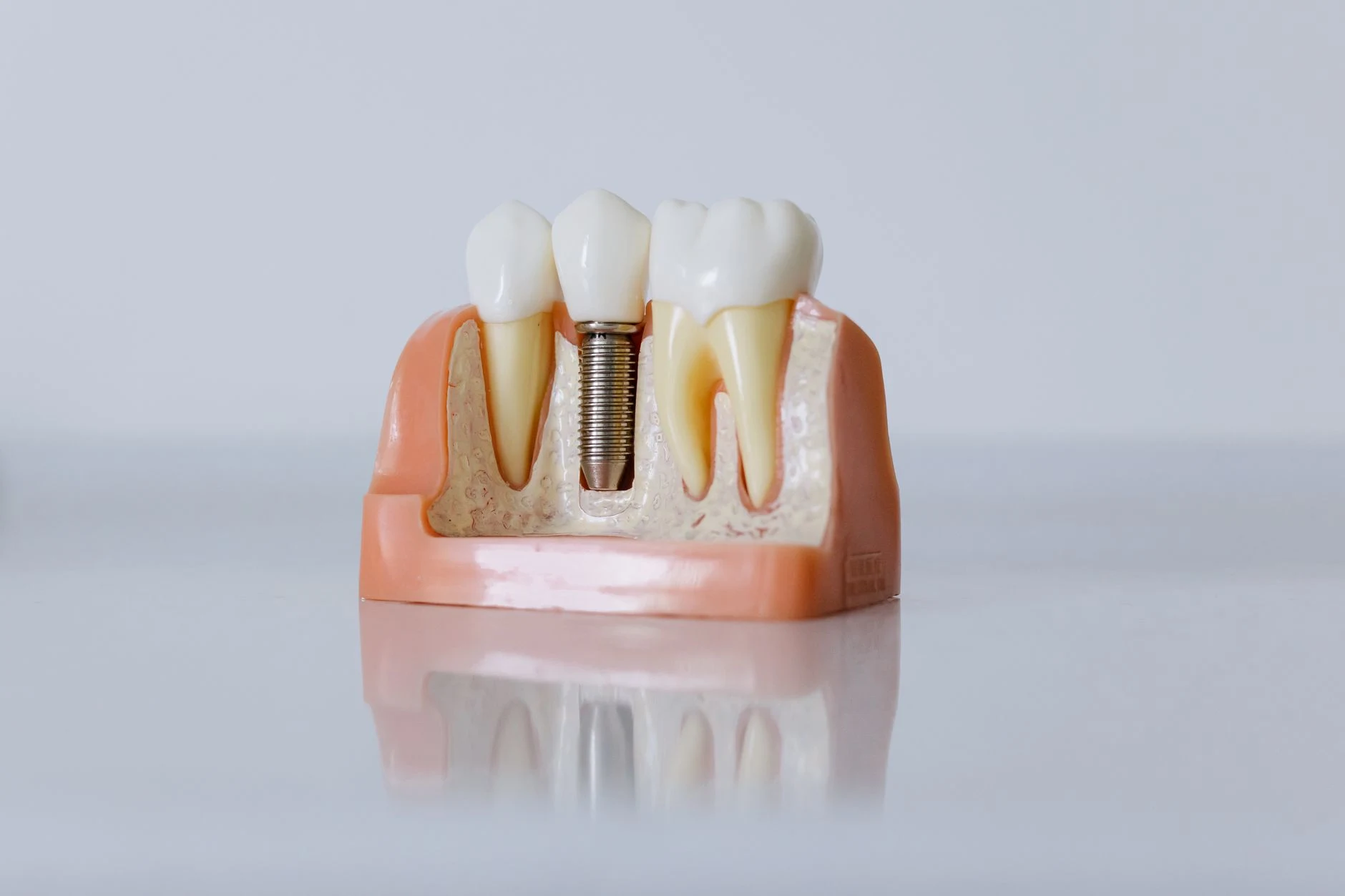
The first weeks after the procedure are critical for osseointegration – the process by which the upper or lower jaw bone consolidates around the titanium post. Proper healing produces mild discomfort that eases progressively day by day. Early signs of integration failure appear when osseointegration is disrupted, whatever the underlying cause.
Paying attention to any change from the expected course is essential during this period. If the initial discomfort intensifies instead of easing, or if new symptoms appear a few weeks after insertion, it is time to contact your implantologist without delay.
Persistent pain after the normal healing period
Post-operative pain immediately after the post is inserted is normal and usually subsides within the first 7-14 days. When it persists or worsens after this period, especially without obvious external trauma, it may signal a problem with bone integration or a developing local infection.
A patient who notices the pain returning with intensity in the third or fourth week, despite no impact to the area, should request an urgent check-up. Throbbing pain, especially at night, accompanied by a localised feeling of heat, is a clear sign that healing is not going according to plan.
Mobility of the implant in the bone
A properly integrated prosthetic restoration shows no mobility whatsoever. If you feel that the post or the temporary crown moves under pressure or when you bite, osseointegration has partially or totally failed. Mobility in the bone is one of the clearest warning signs and requires urgent assessment, without postponing the consultation.
Inflammation and marked redness of the gum
Slight gum inflammation in the first days after the procedure is a normal tissue reaction. Marked redness that does not subside after the first week, or that returns after a period of apparent healing, may signal an early-stage peri-implant infection.
The appearance of the gum offers valuable clues: healthy gum around the titanium post is pale pink, with a firm, well-defined contour. Red, swollen or shiny-looking gum shows that inflammation is active and that the tissues are not healing as expected.
Dental implant rejection symptoms in the gum area
Photo source: freepik
The gum around the prosthetic restoration plays an essential role in its stability and longevity. It forms a biological barrier that protects the bone from bacteria and external factors. When this barrier is compromised, symptoms appear in the gum before they affect the supporting bone structure.
Changes in the gum can be the first visible signs of a complication, even before pain appears. That is precisely why regular examination of the area is important in the first months after the procedure, including during periods with no obvious symptoms.
Frequent bleeding around the implant
Gum bleeding when brushing or on light touch, especially if it persists for more than two weeks after the procedure, may indicate early-stage peri-implantitis. Unlike a natural tooth, the titanium post has no periodontal ligament, which makes the adjacent gum more vulnerable to bacterial inflammation.
If you notice frequent bleeding around the crown, especially accompanied by an unpleasant taste or pus-like discharge, do not put off the consultation. These combined symptoms may indicate an active infection that requires prompt treatment to prevent loss of the supporting bone.
Gum recession around the implant
Gum recession exposes the neck of the post or crown, elements that should not be visible under normal healing conditions. This recession may develop gradually and is often painless at first, which leads patients to ignore it or consider it a natural change.
Gum recession of 2-3 mm from the initial position indicates active bone loss. At the Dr. Radu Dumitru Clinic in Pitești, regular assessment with a periodontal probe and follow-up X-rays allows this type of deterioration to be detected early, before the bone loss becomes irreversible.
Increased sensitivity to touch
Pronounced sensitivity to light touch on the crown or the adjacent gum, outside the normal healing period, indicates active inflammation of the soft tissues or a problem with anchorage in the bone. Sensitivity to percussion – the test in which the doctor taps the crown lightly with a dental instrument – is one of the clinical criteria used for the indirect assessment of osseointegration.
Causes of dental implant rejection
Photo source: freepik
Osseointegration failure does not happen by chance. There are well-documented factors that increase the risk of peri-implant complications or trigger a progressive inflammatory process. Knowing these causes helps both with prevention and with understanding the situation if warning signs have already appeared.
Peri-implant bacterial infections
Peri-implantitis is the main cause of failure of implant-supported prosthetic restorations in the medium and long term. It is a bacterial infection that affects the soft and hard tissues around the insertion site, similar to periodontitis in natural teeth. Bacteria accumulate in the space between the crown and the gum, forming a biofilm which, if not removed regularly, causes progressive inflammation and bone loss.
Peri-implantitis can develop months or even years after surgery, and in its early stages it is practically painless. Regular check-ups with your implantologist, including at the Dr. Radu Dumitru Clinic in Pitești, are the only reliable way of detecting this type of infection early.
Poor oral hygiene
Poor oral hygiene is the modifiable factor most often involved in post-surgical complications. Incorrect or insufficient brushing allows bacterial plaque to build up around the crown and the gum, creating the conditions for peri-implantitis to develop.
The standard recommendation for a restoration on a titanium post includes brushing twice a day with a soft-bristled toothbrush, using dental floss or an interdental brush suited to the space between the restoration and the adjacent teeth, and oral irrigation if the doctor considers it necessary. Neglecting these steps – even for a few weeks in a row – can trigger an inflammatory process that is difficult to control later.
Smoking and other harmful habits
Smoking significantly reduces the success rate of dental implantology. Nicotine constricts the blood vessels in the gum and bone, reducing the supply of oxygen and nutrients needed for osseointegration. Data from clinical studies show that smokers have a 2-3 times higher risk of failure than non-smokers, regardless of the quality of the surgical work.
Other harmful habits that can contribute to the deterioration of the anchorage include bruxism – teeth grinding – which subjects the prosthetic restoration to excessive mechanical forces at night, and frequent alcohol consumption, which affects tissue healing. Discussing these factors with the doctor before or immediately after the procedure allows specific preventive measures to be taken.
The difference between implant rejection and normal complications
Photo source: freepik
Not all discomfort after a dental post has been fitted is a sign of osseointegration failure. There are normal reactions of the body to surgery, and confusing them with real warning signs can cause unnecessary anxiety. At the same time, ignoring real symptoms in the belief that they will pass on their own can delay treatment that could save the prosthetic restoration.
Normal discomfort in the first few days
In the first 3-5 days after the post is inserted, moderate pain, facial swelling in the area of the procedure and slight discolouration of the gum are expected reactions, part of the physiological healing process. They respond to the anti-inflammatories and painkillers prescribed by the doctor and improve progressively.
- Moderate pain, controlled with the prescribed medication
- Localised swelling that visibly decreases after 48-72 hours
- Slight bleeding in the first 24 hours after surgery
- Sensitivity to cold or hot food in the area of the procedure
These symptoms do not require further intervention if they fall within the intensity described by the doctor at the end of the consultation and follow a favourable course after the first 48-72 hours.
Signs of infection versus normal healing
The difference between normal healing and infection lies mainly in how things evolve over time and in the combination of signs. Normal healing follows a downward trajectory: discomfort eases gradually, swelling subsides and the gum becomes pink and firm. Infection, by contrast, produces symptoms that intensify or return after a period of apparent improvement.
- Normal signs: pain that eases daily, swelling that resolves in 3-5 days, gum that becomes firmer and paler pink
- Warning signs: pain that returns or increases after the first week, persistent bleeding, discharge from around the post, a persistent taste of pus or metal
When you should see a doctor
There are clear situations that require a medical consultation without delay, without waiting for your planned check-up appointment:
- Intense pain that does not respond to painkillers after the third post-operative day
- A fever above 38°C combined with local pain in the area of the procedure
- Noticeable mobility of the prosthetic restoration or the temporary crown
- Pus-like discharge or a persistent taste of pus in the area
- Heavy bleeding that does not stop with light pressure
In any of these situations, a visit to the Dr. Radu Dumitru Clinic in Pitești allows a rapid assessment, including a digital X-ray or 3D scan, to determine precisely the condition of the bone and the prosthetic anchorage.
What to do if symptoms appear
Photo source: freepik
The appearance of warning signs does not automatically mean that the titanium post is lost. Fast and correct action can save the prosthetic restoration in many cases, especially when problems are identified at an early stage. The recommended protocol in such cases follows a few essential steps.
Urgent consultation with the implantologist
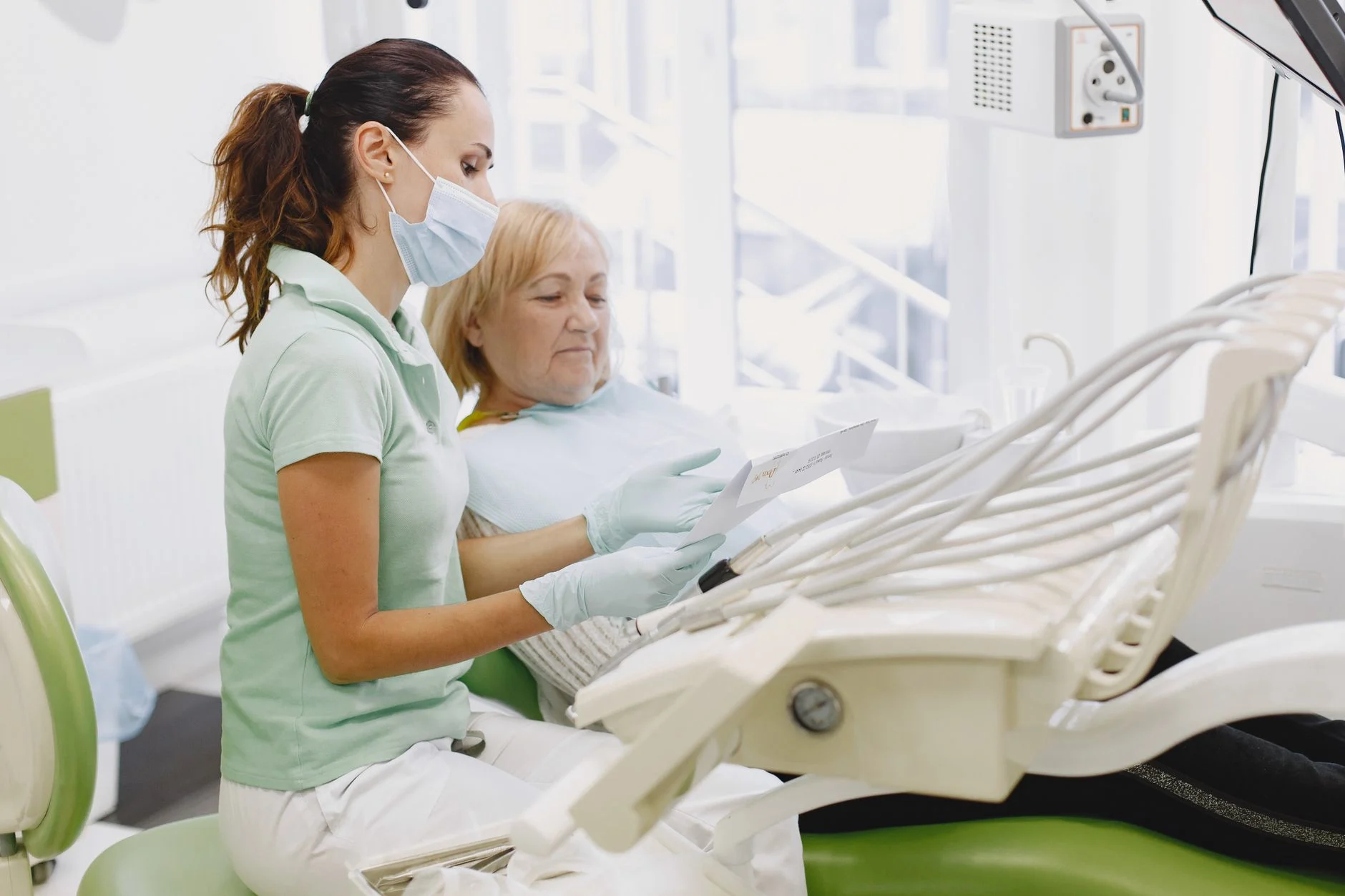
The first step is to request an urgent consultation with the doctor who carried out the procedure or with a specialist experienced in oral surgery. Do not try home treatments, do not use antibiotics without a prescription and do not ignore the symptoms in the hope that they will go away on their own – every day of delay reduces the chances of saving the prosthetic restoration.
At the Dr. Radu Dumitru Clinic in Pitești you can book a consultation on +40 771 648 386, Monday to Friday between 09:00 and 19:00. The doctor will clinically assess the affected area and decide on the next steps according to the severity of the situation.
Investigations and follow-up X-rays
Assessing a post suspected of deterioration requires specific imaging investigations. A periapical X-ray provides information about the bone level around the insertion site. A CBCT 3D scan is indicated when a standard X-ray does not provide enough detail or when the doctor suspects circumferential bone loss that is not visible on a conventional film.
The Dr. Radu Dumitru Clinic has 3D scanning equipment that allows a complete assessment of the bone structure and the position of the prosthetic restoration. This data guides the treatment decision precisely, eliminating guesswork and reducing the risk of incorrectly calibrated treatment.
Treatment options and saving the implant
Treatment depends on the type and stage of the problem identified. The options available include:
- Debridement and decontamination: mechanical and chemical cleaning of the post’s surface to remove the bacterial biofilm, in cases of early peri-implantitis
- Local or systemic antibiotic therapy: indicated when the infection is clinically confirmed and when debridement alone is not sufficient
- Peri-implant surgery with bone regeneration: a procedure using bone grafts to recover lost bone, in cases of moderate loss
- Explantation and re-insertion: removal of the compromised restoration, treatment of the bone and insertion of a new post after complete healing
Saving the prosthetic restoration is possible in many cases if medical intervention takes place in time. The longer you wait after the first warning signs appear, the greater the chances of permanent loss and of needing more extensive treatment, such as bone grafts or sinus lift procedures.
If you have noticed any of the signs described in this article or have questions about how your prosthetic restoration is progressing, a consultation at the Dr. Radu Dumitru Clinic in Pitești gives you a clear assessment, based on modern 3D imaging and experience with recognised implant brands such as Neodent and Straumann. Opening hours are Monday to Friday, 09:00-19:00, at Strada Florariei nr. 3A, Pitești – you can book directly on +40 771 648 386.