Treatment and prevention
An affected tooth doesn’t always mean it has to be extracted. In many cases, modern endodontic treatments can save your tooth, restoring its function and natural appearance.
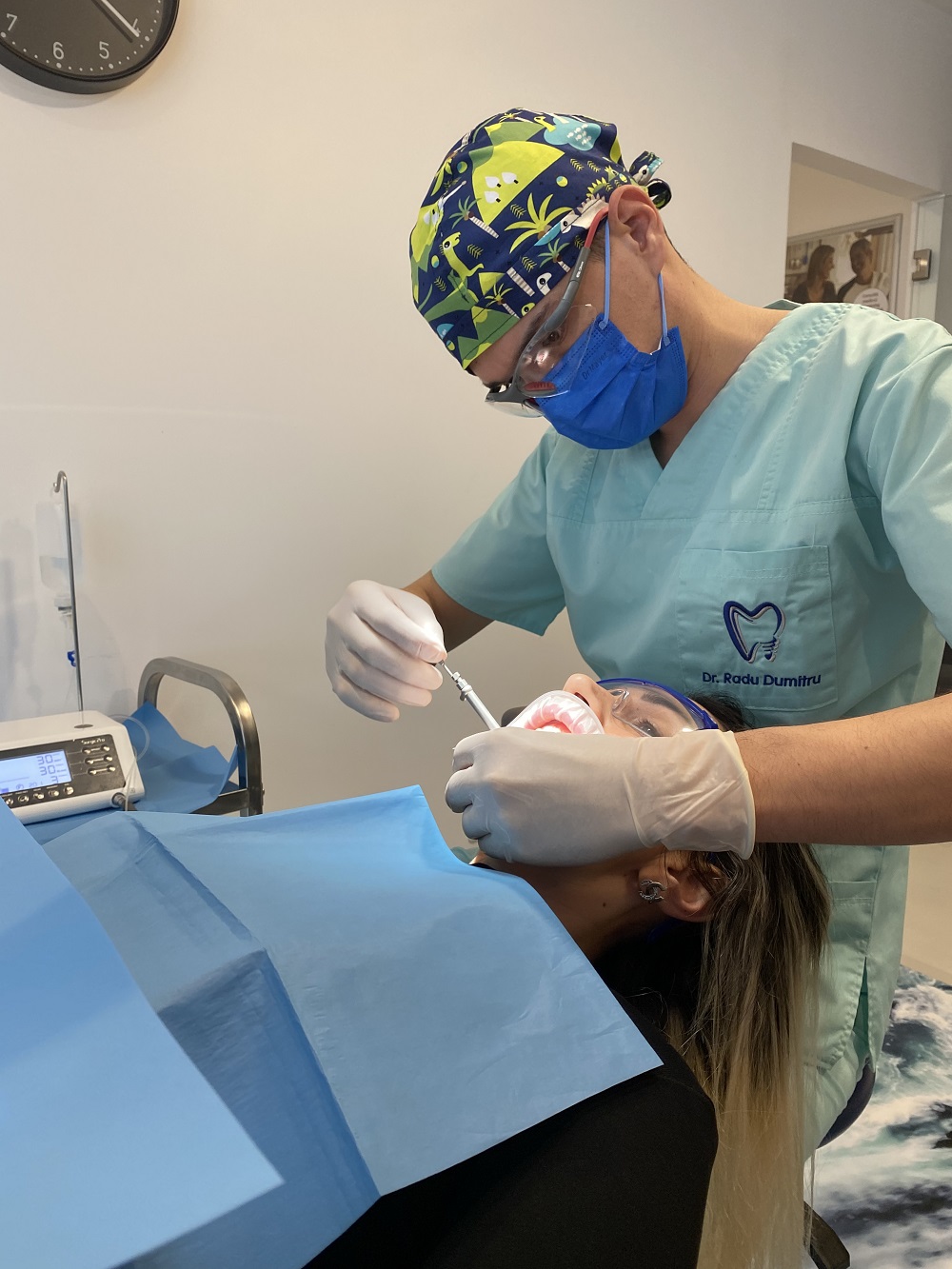
At the Dr. Radu Dumitru dental practice in Pitești, endodontics is carried out with modern techniques and equipment, so you benefit from effective, pain-free treatment with long-lasting results.
Endodontics is the branch of dentistry that deals with diagnosing and treating conditions of the dental pulp and the tooth root. In practice, it is root canal treatment, a procedure in which the root canals are cleaned and sealed to save the tooth and prevent complications.
If the dental pulp is inflamed or infected, endodontic treatment is the solution that lets you keep the tooth instead of having it extracted.
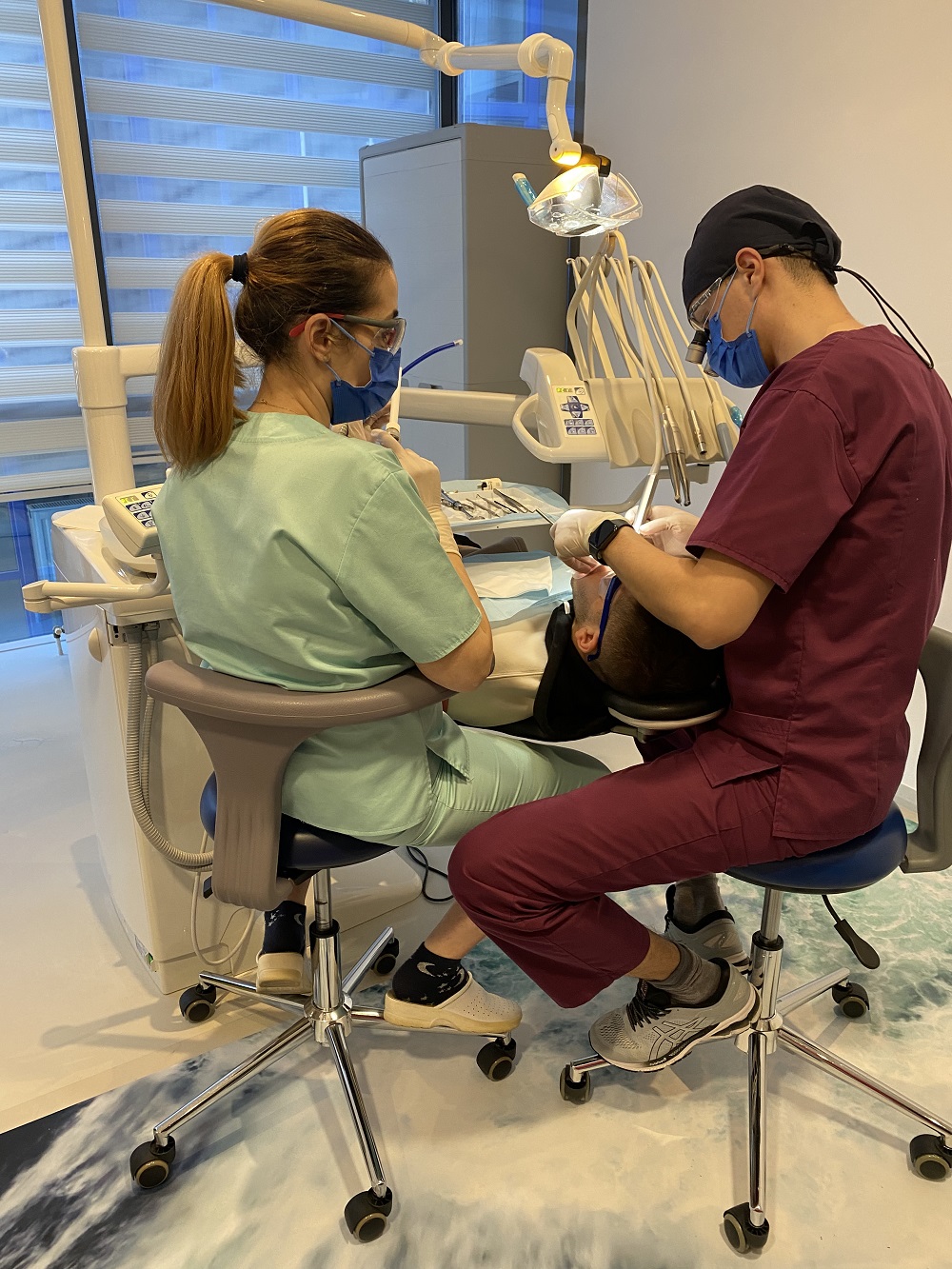
Endodontic treatment can be adapted to each situation:
You should see a doctor when you notice:
An endodontic specialist can diagnose the problem precisely and save the affected tooth.

Endodontics is recommended for:
A properly performed endodontic treatment brings many advantages:
Although it is a safe treatment, there may be some risks:
An experienced specialist such as Dr. Radu Dumitru significantly reduces these risks by using modern technology.
After root canal treatment, it is important to follow a few recommendations:
In many cases, an endodontically treated tooth will need a dental crown to restore its strength and full function.
Children may also need endodontic treatment, especially for baby teeth affected by deep cavities or trauma. The treatment keeps the baby tooth in the arch until the permanent tooth erupts, preventing future orthodontic problems.
Frequently asked questions
No. Modern endodontic treatment is carried out under local anaesthesia, so you don’t feel any pain. In some cases, slight sensitivity may appear after the procedure, but it goes away within a few days and can be managed with painkillers recommended by the doctor.
A tooth that is properly treated and then protected with a dental crown can last a lifetime. Its longevity, however, depends on the quality of the treatment, your oral hygiene and regular visits to the dentist.
The chances of success are very high, between 85% and 95%, when the treatment is carried out correctly, with modern technology and by an experienced doctor. In more complex situations, retreatment or surgery can increase the success rate.
No. Extraction should be the last option. Keeping your natural tooth is the best solution for long-term health, because no prosthetic restoration can fully replace the function and strength of a natural tooth.
Sometimes an endodontically treated tooth may take on a darker shade. However, there are simple aesthetic solutions, such as internal tooth whitening or a dental crown, that restore the natural, harmonious look of your smile.
Treatment and prevention
Looking for modern restorative dental treatments in Argeș? Restore the health, function and appearance of your teeth
Periodontology ❱ Specialised treatments for preventing and treating gum conditions such as gingivitis or periodontitis
The clinic
We assess your situation, explain your options and give you a clear treatment plan, with the stages and costs set out from the start.